





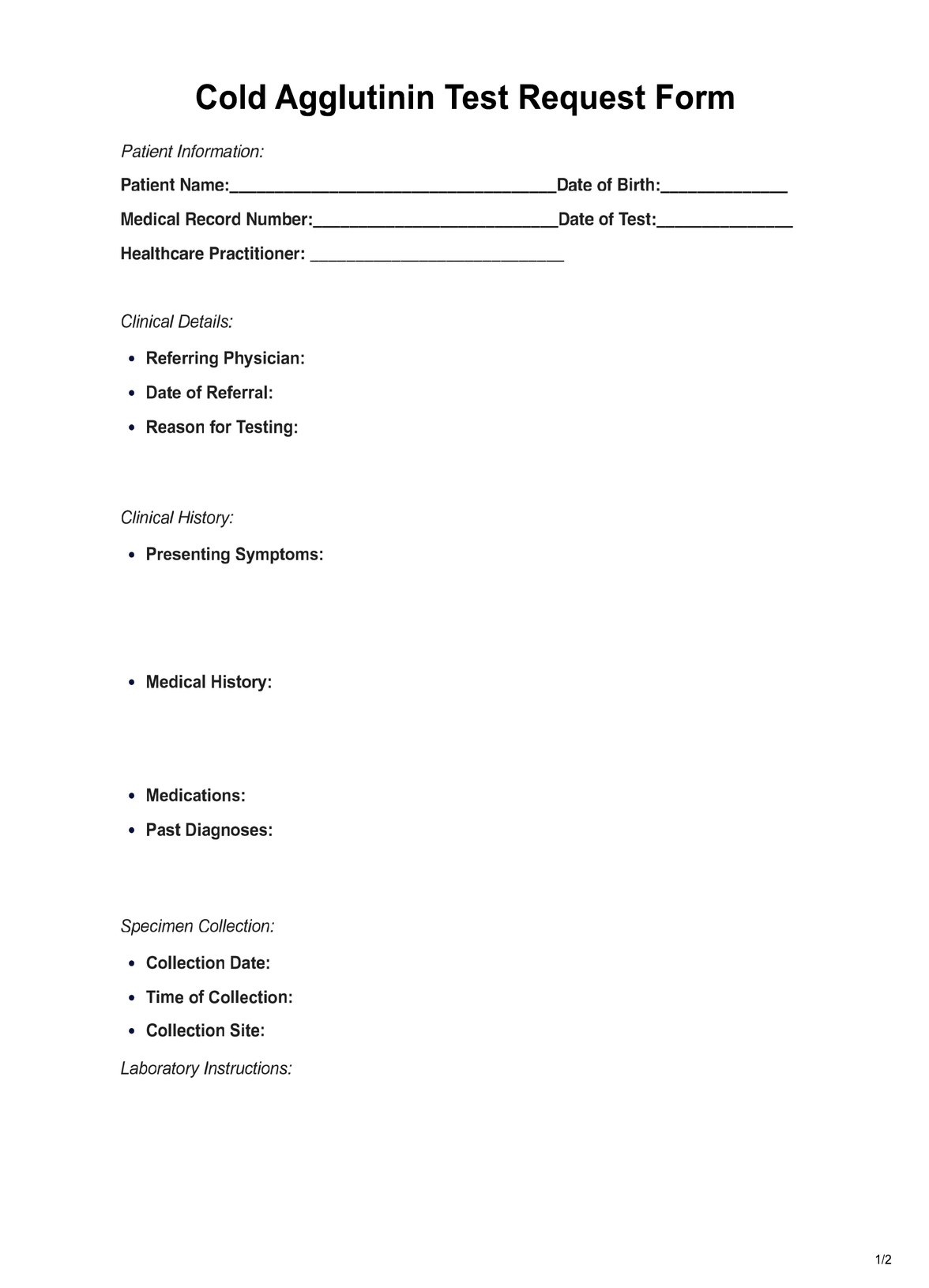




What is a Cold Agglutinin Test?
A Cold Agglutinin Test is a diagnostic laboratory test used in healthcare to detect the presence of cold agglutinins in a person's blood. Cold agglutinins are a type of antibody produced by the immune system that can cause red blood cells to clump together (agglutinate) when exposed to cold temperatures, typically below normal body temperature. This phenomenon is known as cold agglutinin disease (CAD) or cold autoimmune hemolytic anemia.
The test is primarily ordered when a healthcare provider suspects a patient may have CAD or related conditions, as it helps confirm the diagnosis. CAD is often associated with underlying medical conditions such as infections, autoimmune disorders, or lymphoproliferative disorders. Cold agglutinins can lead to symptoms like anemia, fatigue, pale skin, and circulation problems, especially in extremities exposed to cold.
The Cold Agglutinin Test involves drawing a blood sample from the patient, which is then sent to a laboratory for analysis. In the lab, the blood is exposed to varying temperatures, including cold conditions, to observe how the red blood cells react. If the red blood cells clump together when exposed to cold, it indicates the presence of cold agglutinins.
Once diagnosed, CAD and related conditions can be managed through various treatment options, including addressing the underlying cause (if present), keeping the body warm in cold environments, and, in some cases, medication or blood transfusions.
The Cold Agglutinin Test is an essential tool in diagnosing conditions related to cold agglutinins in the blood, helping healthcare providers identify and manage underlying health issues affecting the patient's well-being. It plays a crucial role in tailoring appropriate treatment plans and improving the quality of life for individuals with CAD and related conditions.









