





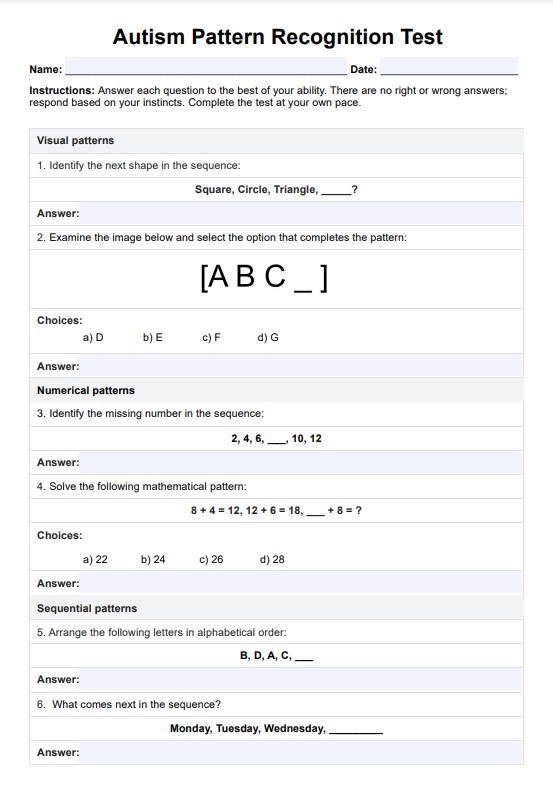




Pattern recognition in autism
Autism spectrum disorder (ASD) is a complex and diverse condition, both genetically and phenotypically. This heterogeneity has made it challenging to define, recognize, and treat. According to Crespi (2021), many of the traits associated with autism can be understood through the concept of "pattern." Individuals with autism spectrum disorders often exhibit enhanced abilities in pattern perception, recognition, and processing. These skills allow autistic individuals to identify patterns in various contexts more easily than their neurotypical peers. However, this heightened pattern recognition can also contribute to restricted interests and repetitive behaviors (RRBs), core traits of autism spectrum disorder.
The concept of pattern recognition in autism not only helps in understanding these autistic traits but also guides the development of personalized therapies. By recognizing patterns in both social and non-social contexts, we can better tailor interventions to support the unique neurological and cognitive functions of those on the autism spectrum. This approach highlights the importance of further research into how autistic individuals tend to perceive and engage with the world around them.









