





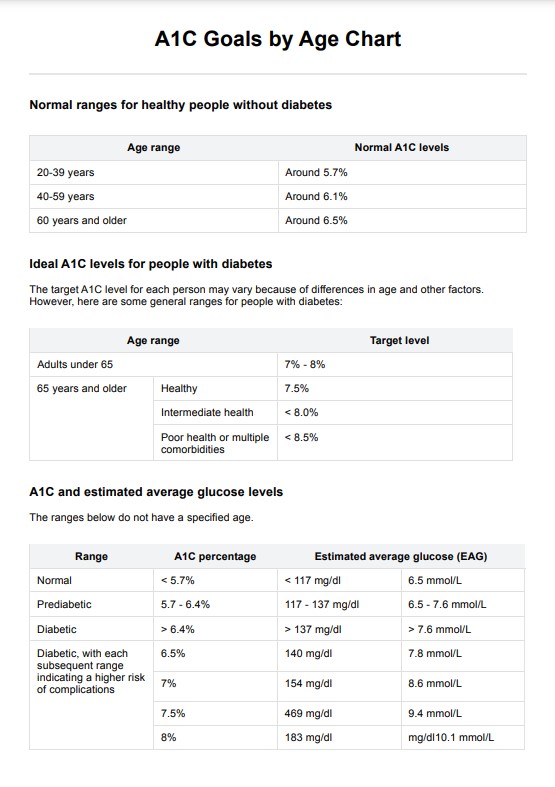




Understanding A1C levels and goals
The Hemoglobin A1c (HbA1c) Test, often called the A1C test, is a blood test that provides a snapshot of an individual's average blood sugar control over the past 2-3 months. It's a crucial tool for both diagnosing and managing diabetes.
The importance of A1C goals in developing diabetes also extends beyond diagnosing diabetes. Maintaining healthy blood sugar levels, even within the prediabetes range, can significantly reduce the risk of developing full-blown diabetes and its associated complications. Furthermore, managing A1C levels is crucial for pregnant women to minimize risk factors during pregnancy and birth.
The substantial economic burden of diabetes underscores the importance of preventive measures and proactive healthcare strategies. In the United States alone, the total annual cost of diabetes in 2022 amounted to a staggering $412.9 billion. This breaks down to $306.6 billion in direct medical expenses and a hefty $106.3 billion in indirect costs (American Diabetes Association, 2023).
Understanding a patient's A1C level allows healthcare professionals to diagnose diabetes mellitus, set personalized goals, take proactive steps to manage their blood sugar, and lower their risk of chronic health problems.









