When would you use Stress Management Worksheets?
Whether you're working with clients, students, or employees, stress worksheets can be a practical tool to help them develop coping skills and build emotional resilience. Here's when they can be incorporated:
When handling clients struggling with stress
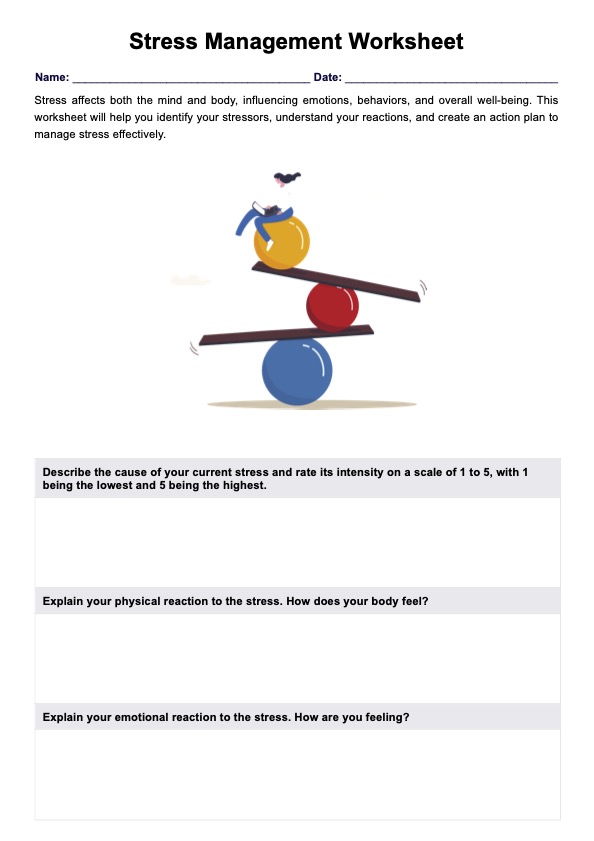
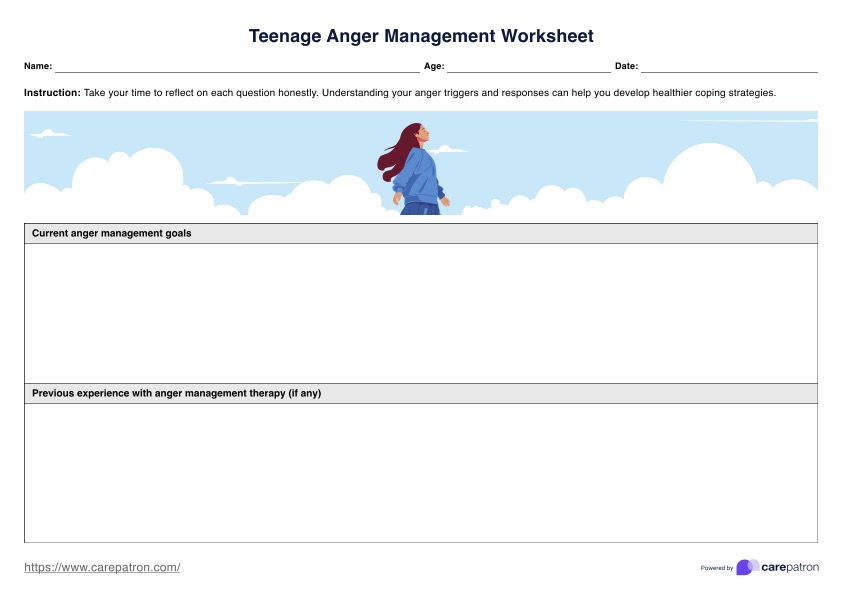
When clients feel overwhelmed, their ability to think clearly and problem-solve can take a hit. Structured worksheets help them recognize perceived stress, pinpoint triggers, and develop healthier responses. These tools align with cognitive behavior therapy, guiding clients toward more balanced thoughts and reactions.
When teaching coping strategies and life skills
Managing stress isn’t just about relaxation. It’s about having the right coping strategies in place. Worksheets help clients practice life skills like emotional regulation, problem-solving, and mindfulness to handle challenges more effectively. Over time, these small changes can improve mental health and promote long-term resilience.
When helping clients in building resilience
Some clients struggle with stress because they haven’t yet built the tools to handle it effectively. Worksheets can guide them through reflection and skill-building, making stress management feel more approachable. Over time, these exercises reinforce self-awareness, promote emotional strength, and ultimately reduce stress in daily life.
Helping students understand stress and self-regulation
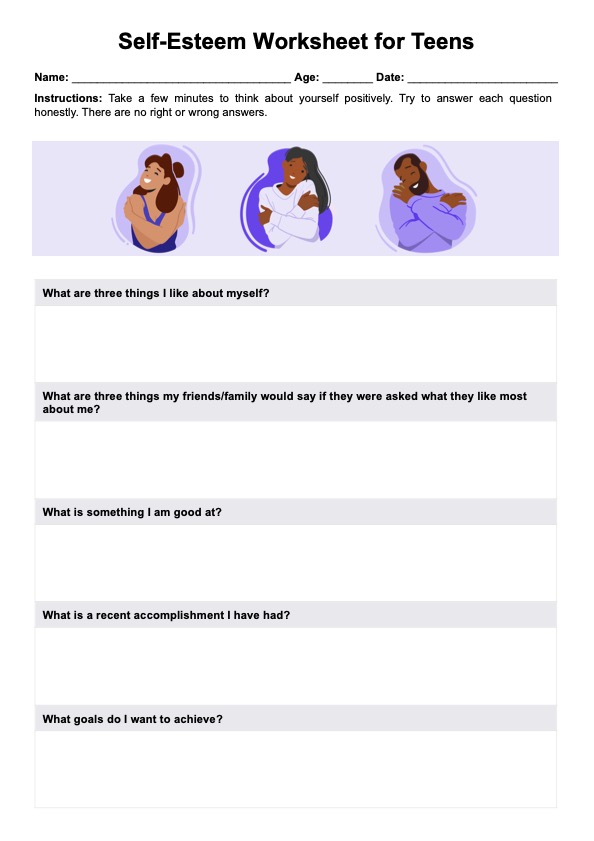
Schools are crucial in teaching students how to manage stress before it becomes overwhelming. Using worksheets can help students understand the connection between their thoughts, emotions, and behaviors. Encouraging mindfulness and self-reflection empowers them to stay present, handle challenges, and develop strong coping mechanisms.