



Using colors in art therapy to express emotions
Color plays a pivotal role in shaping human perception and emotional responses, influencing psychological states in subtle and profound ways (Elliot, 2015). Research suggests that color can significantly impact mood and cognition, mediating our emotional experiences through its visual qualities (Babin et al., 2003). Certain colors are consistently linked to specific emotional and psychological states, with studies indicating that these associations may be culturally and contextually informed (Jonauskaite et al., 2020; Kawai et al., 2022). For instance, warm tones like red and yellow are often associated with heightened energy or agitation, while cooler hues like blue and green are linked to calmness or sadness (Babin et al., 2003).
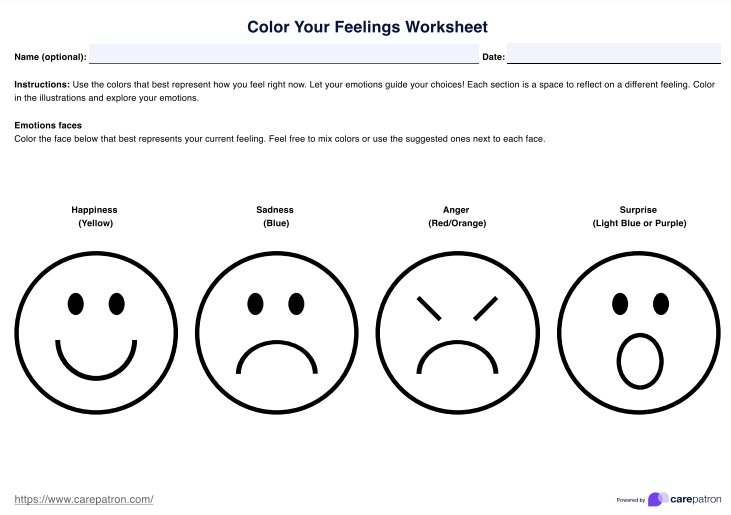
In the context of art therapy, the deliberate use of color offers an additional layer of therapeutic value. Color can serve as a powerful nonverbal tool for individuals to express complex emotions and psychological experiences that may be difficult to articulate with words. The visceral impact of color on the mind and body is well-documented, with studies indicating that color stimuli can influence heart rate, blood pressure, and overall psychological well-being (Withrow, 2004). This makes color an ideal medium for facilitating emotional expression and processing in art therapy.
Moreover, color is particularly important to nonrepresentational art forms, which can bypass cognitive defenses and access deeper emotional processes. Nonrepresentational art allows individuals to engage with color more intuitively and abstractly, providing a safe space for unconscious material to emerge. This approach can address therapeutic gaps left by more representational forms of art, where individuals may struggle to express emotions that do not fit neatly into recognizable forms or symbols (Withrow, 2004).
Integrating color into art therapy thus offers mental health professionals a versatile tool for helping individuals explore and articulate their emotional experiences, providing both immediate and long-term benefits in emotional processing and regulation.