



What is sexual sadism disorder?
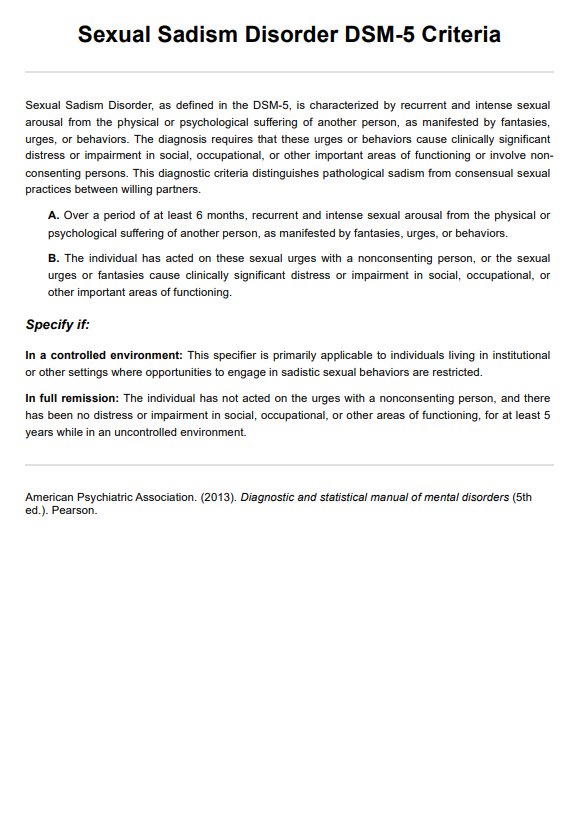
Sexual sadism disorder is a paraphilic disorder defined by recurrent and intense sexual pleasure derived from inflicting physical or psychological suffering on another person. This is included among other paraphilic disorders in the Diagnostic and Statistical Manual of Mental Disorders, Fifth Edition (DSM-5), with others including sexual masochism disorder and voyeuristic disorder.
Symptoms of sexual sadism disorder range from arousal that may manifest through intense sexually arousing fantasies, urges, or behaviors of a sadistic nature to acting on these urges and fantasies. It is considered a mental health disorder when these fantasies or behaviors cause significant distress to the individual, impair their social, occupational, or personal functioning, or involve nonconsenting individuals.
Sadistic sexual behaviors can range from verbal humiliation to acts of physical harm, with severity varying between individuals. While consensual sadistic practices within mutual agreements do not qualify as a disorder, sexual sadism disorder specifically involves nonconsensual acts or causes harm or distress to the individual or others.
Risk factors for developing sexual sadism disorder may include a history of trauma, exposure to violence, or co-occurring mental health conditions. Without treatment, the disorder may escalate, increasing the risk of legal, ethical, and interpersonal consequences among sexual sadists.
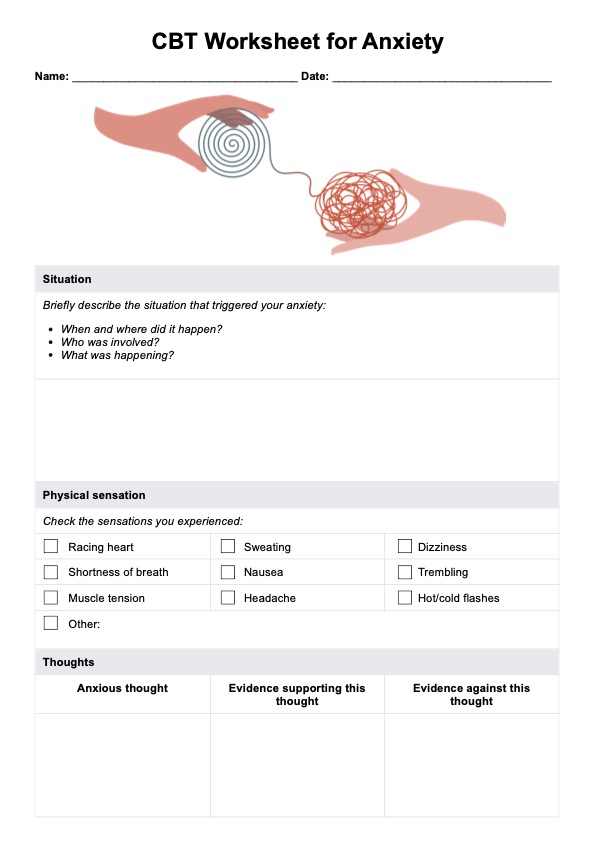
Treatment often involves psychotherapy, such as cognitive-behavioral therapy (CBT), to address the underlying causes of sadistic sexual interests and teach healthier coping mechanisms. In some cases, medications like selective serotonin reuptake inhibitors (SSRIs) or anti-androgens may be prescribed to help regulate intense sexual urges. Early intervention and ongoing support are essential for managing the disorder and preventing harm.