Key components of a Pediatric Physical Exam
A Pediatric Physical Exam is a structured assessment aimed at evaluating a child’s overall health and development. It follows the general principles of clinical examination while focusing on age-specific concerns. Each assessment component provides critical information about the patient’s chief complaint, underlying significant conditions, and any abnormalities within specific organ systems.
A physical examination remains a key tool in early disease detection, ensuring the child’s well-being and guiding further diagnostic tests when needed. Below are the essential components of a pediatric physical examination, each discussed separately to highlight its importance.
Medical history
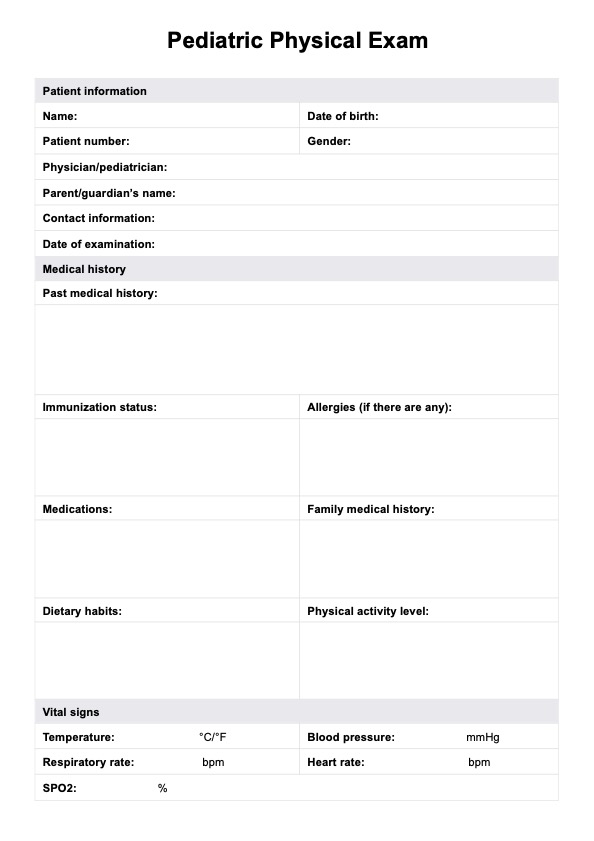
A thorough history taking is the foundation of a pediatric evaluation. It includes details about the patient’s chief complaint, past illnesses, allergies, medications, and significant conditions in family history. Dietary habits, physical activity, and environmental exposures are also considered. This information helps identify risk factors for chronic diseases and developmental delays.
Vital signs
Recording standard measurements such as temperature, blood pressure, heart rate, and respiratory rate is crucial for monitoring a child's physiological stability. Deviations from normal values may indicate underlying infections, cardiovascular issues, or metabolic disorders. Assessing skin color, hydration status, and oxygen saturation (SPO2) can provide additional insights into a child’s overall well-being.
Physical examination
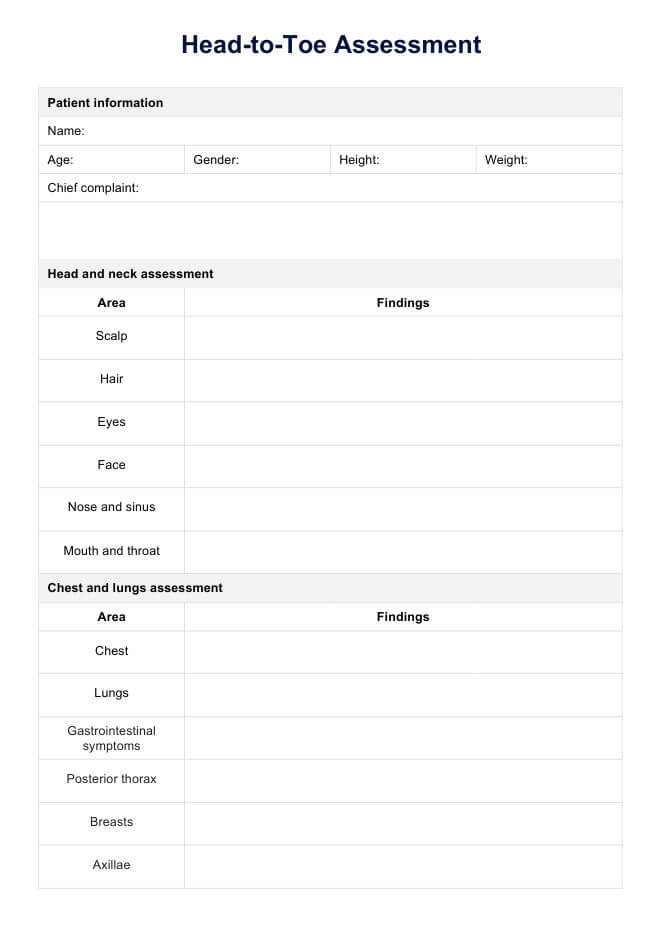
The overall approach to a pediatric physical examination involves a structured assessment of specific organ systems to identify abnormalities. It begins with evaluating general appearance, including alertness, posture, and distress levels. Examination of the head, ears, nose, and throat checks for cranial abnormalities, infections, and hearing impairments.
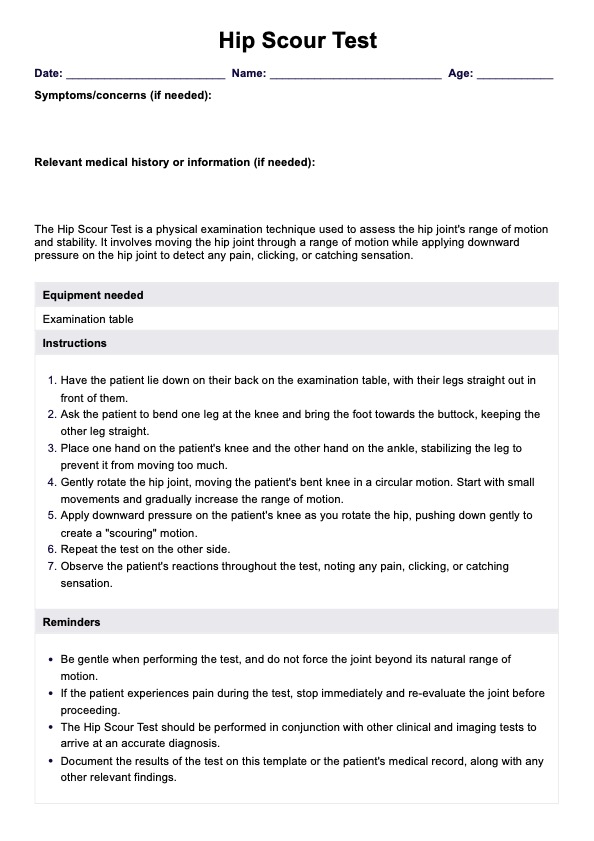
The cardiovascular system is assessed for murmurs, irregular rhythms, and abnormal pulses, while the respiratory system is evaluated for breath sounds and breathing effort. The abdomen and viscera are palpated for tenderness or mass lesions, and the musculoskeletal system is examined for range of motion and strength. Lastly, the neurological system is tested for reflexes, sensory responses, and motor function. A complete physical examination is essential for early detection of health concerns.
Immunization and preventive care
Reviewing immunization records is a critical part of pediatric care. Ensuring that vaccines are up to date helps prevent serious infections. Preventive guidance on nutrition, injury prevention, and behavioral health is also provided. When necessary, screenings for anemia, lead exposure, or hearing and vision impairments are included to ensure comprehensive pediatric care.