



What is hypochondria?
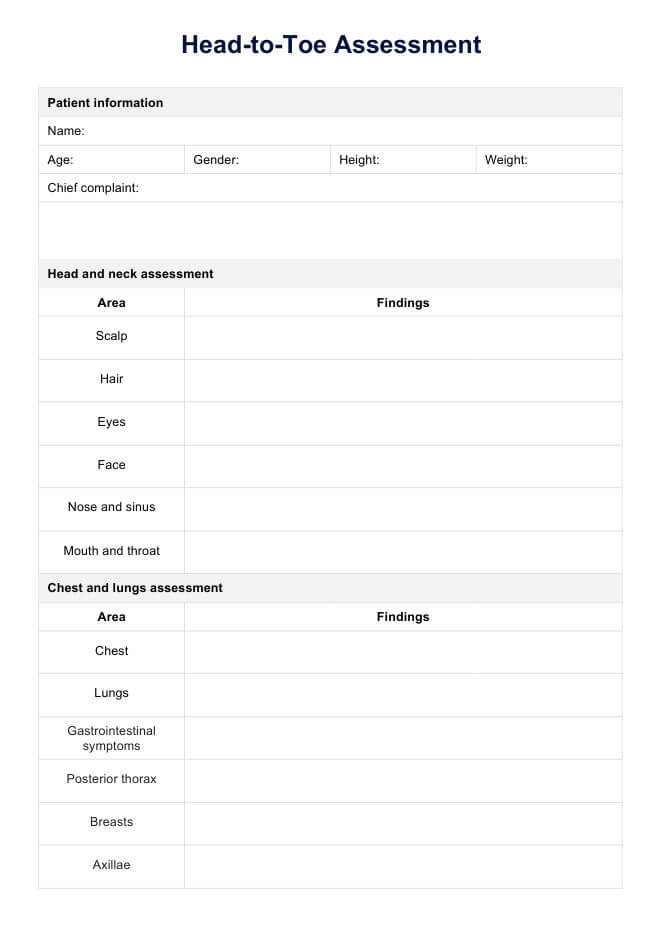
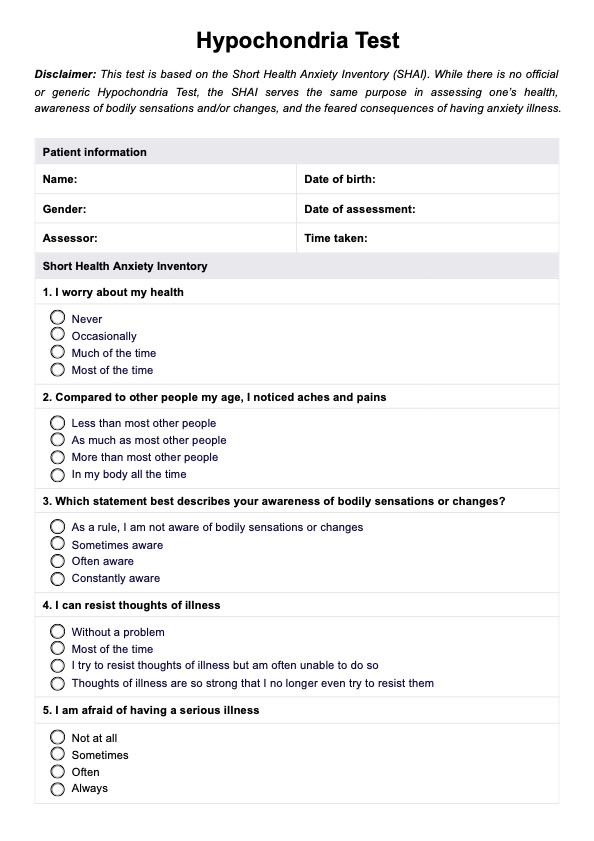
Hypochondria or hypochondriasis, also known as illness anxiety disorder (IAD), is a mental health disorder where individuals experience extreme anxiety over their health status (Healthdirect Australia, 2020). They often misinterpret normal bodily sensations or physical symptoms as signs of illness, believing they have a serious medical condition despite medical reassurance. This persistent health anxiety leads to frequent medical tests, excessive self-examinations, and disruptions in daily life. A mental health professional can diagnose and treat this condition, helping patients manage their health concerns and reduce the fear of undiagnosed illnesses.
Symptoms
Individuals experiencing health anxiety frequently check their bodies for signs of illness and seek repeated medical tests despite negative results. They may research serious illnesses obsessively, avoid hospitals due to fear of bad news, or visit multiple doctors looking for validation. This somatic symptom disorder leads to an inability to trust medical reassurance, heightening mental health issues like anxiety and depression. Some develop “white coat syndrome,” where just being in a medical setting triggers extreme anxiety. Over time, these behaviors interfere with daily life, relationships, and work, making professional treatment necessary.
Risks
Untreated illness anxiety disorder significantly impacts mental well-being and daily functioning. Individuals may experience serious medical condition fears so intense that they avoid doctors altogether, paradoxically increasing health risks by neglecting real issues. Excessive stress weakens the immune system, leading to more physical symptoms. Persistent worry strains relationships, as loved ones struggle to provide constant reassurance. Many with hypochondria also suffer from mental health issues, including depression, generalized anxiety, and obsessive-compulsive tendencies.
Treatment
Managing hypochondria involves therapy, medication, and behavioral changes. Cognitive behavioral yherapy (CBT) is the most effective treatment, helping individuals challenge irrational health concerns and break compulsive checking habits. A mental health professional may also prescribe anti-anxiety or antidepressant medications to reduce extreme anxiety. Education about normal bodily sensations reassures patients that minor discomforts are not indicators of a serious illness. Encouraging mindfulness, stress management, and reducing online symptom-checking can significantly improve quality of life. With proper intervention, individuals can regain control over their thoughts and lead a balanced, worry-free life.