



What is a UCL injury?
An ulnar collateral ligament (UCL) injury, also known as a medial collateral ligament (MCL) injury, is damage to the ulnar collateral ligament, a band of tissue that connects the humerus (upper arm bone) to the ulna (bone in the forearm). The UCL's anterior and posterior bands provide stability to the elbow joint, preventing it from excessive side-to-side movement. When these bands are overstretched or torn, it can result in pain, weakness, and instability in the elbow.
A UCL injury can occur due to repetitive stress on the elbow or from a sudden traumatic event such as a fall. UCL or MCL injuries are common among athletes participating in overhead-throwing sports such as baseball, softball, and tennis.
Symptoms
Some of the common symptoms of a UCL injury include:
- Pain and tenderness on the inner side of the elbow
- Swelling and stiffness around the elbow joint
- Difficulty with gripping or throwing objects due to weakness in the arm
- Numbness or tingling sensations in the ring and little fingers are supplied by the ulnar nerve that runs through the UCL.
Individuals may also experience a popping sound during the injury, followed by difficulty with arm movements. In severe cases, there may be bruising or discoloration around the elbow joint.
How to diagnose a UCL injury
To diagnose injuries to the MCL, the doctor will first perform a physical examination and review the patient's medical history. They may also order imaging tests such as X-rays, computed tomography (CT) scans, and magnetic resonance imaging (MRI) scans, which are medical imaging techniques used to evaluate the severity of an injury by providing detailed images of the inside of the body.
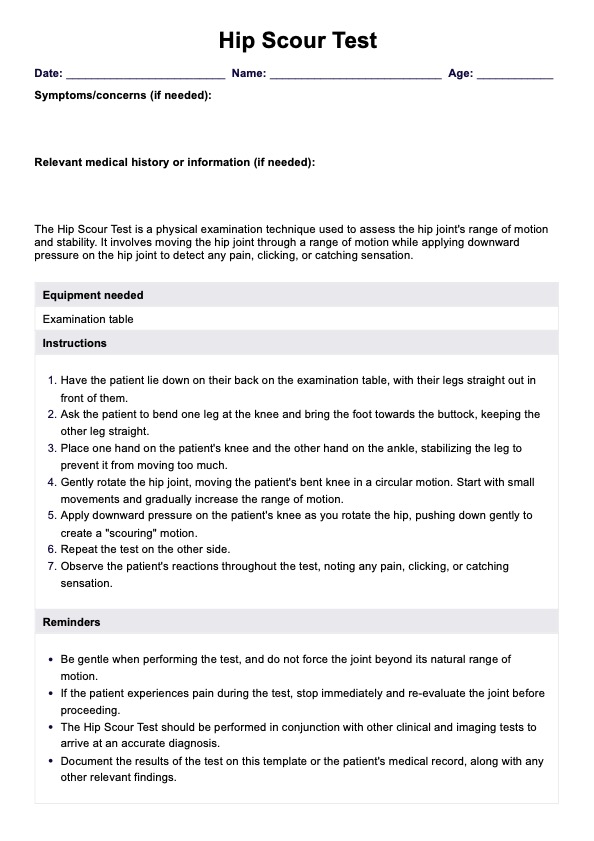
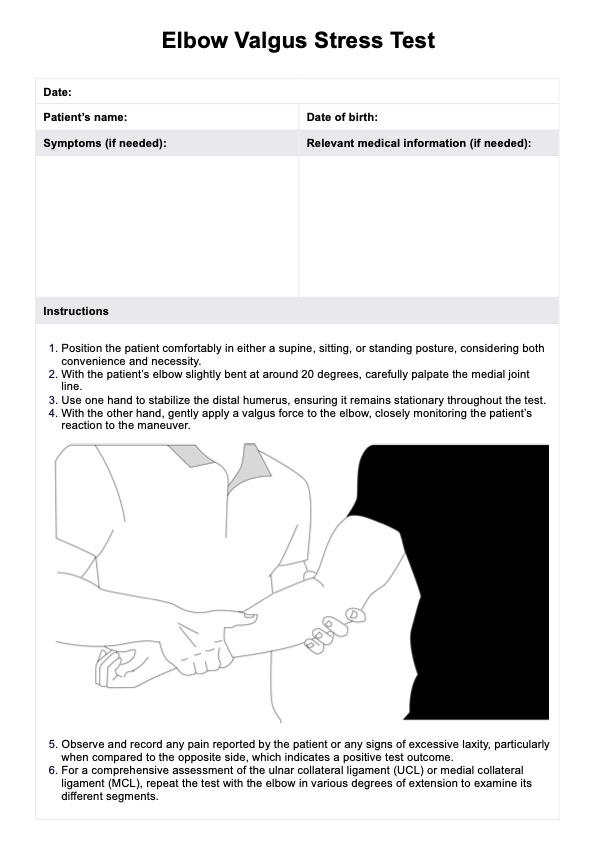
In some cases, a stress test like the Elbow Valgus Stress Test, in which the doctor applies pressure to the inner side of the elbow while bending and straightening the arm, may be performed to assess the stability of the UCL.