








What is Acceptance and Commitment Therapy?
Acceptance and Commitment Therapy (ACT) is an innovative form of psychotherapy that encourages individuals to accept their thoughts and feelings rather than resist or feel guilty about them. This approach, rooted in mindfulness and acceptance strategies, cultivates a non-judgemental, present-moment awareness. Simultaneously, it employs commitment and behavior-change strategies aimed at enhancing psychological flexibility.
Psychological flexibility is the ability to fully engage with the present moment and make behavioral changes or persist in behavior aligning with one's chosen values. By fostering psychological flexibility, ACT empowers individuals to adapt to life challenges, reducing distress and enhancing well-being.
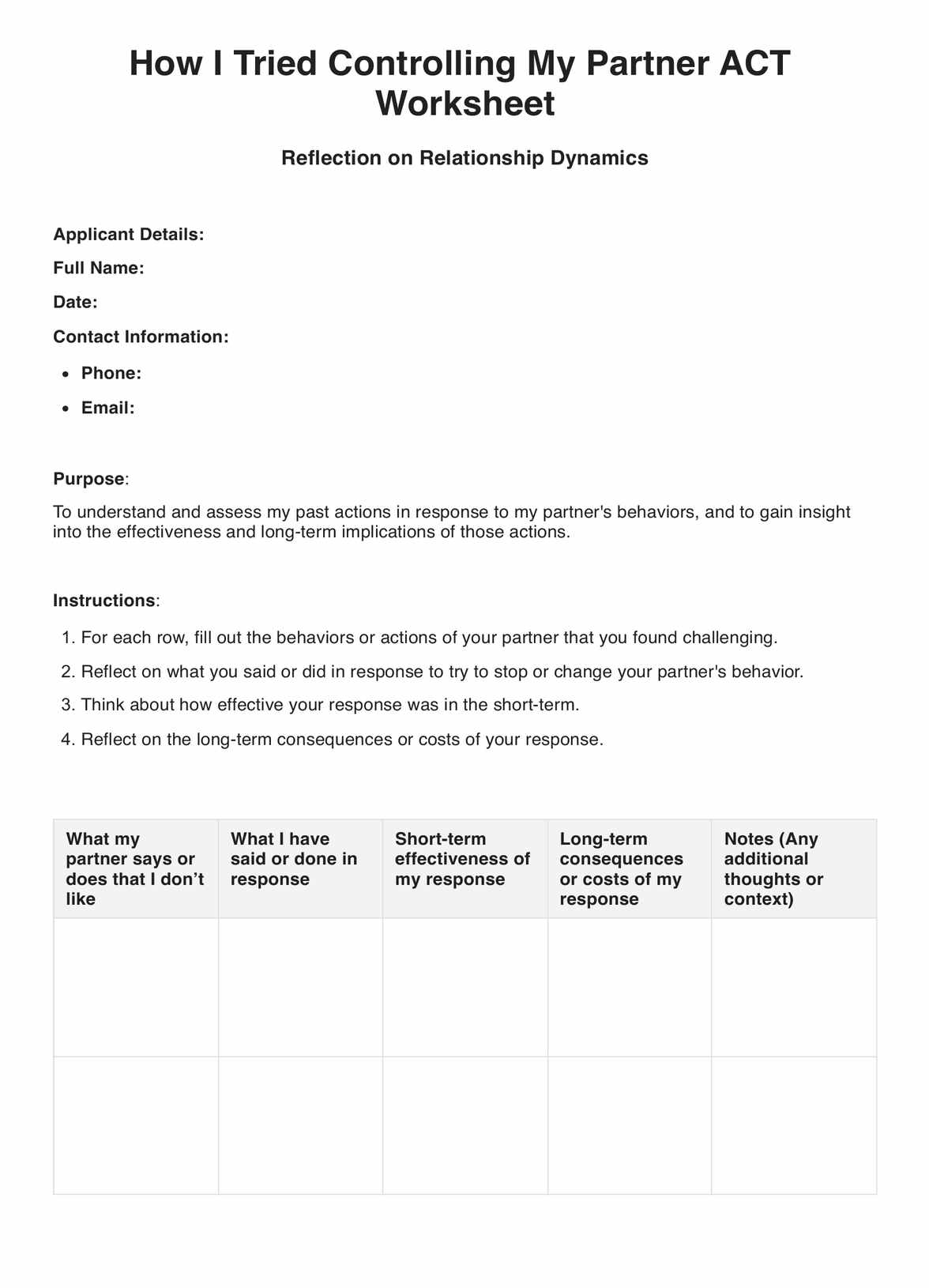
ACT has demonstrated effectiveness across various clinical conditions, including depression, OCD, workplace stress, chronic pain, anxiety, PTSD, and various forms of substance abuse. Importantly, it can also be beneficial in addressing relationship problems. ACT can facilitate healthier, more satisfying relationships by promoting open communication, emotional awareness, and value-driven actions.
Implementing ACT into their practice can be seamless for healthcare professionals by using electronic health records from Carepatron. They can aid in tracking progress, planning treatment strategies, and ensuring a coordinated care approach when using .









