





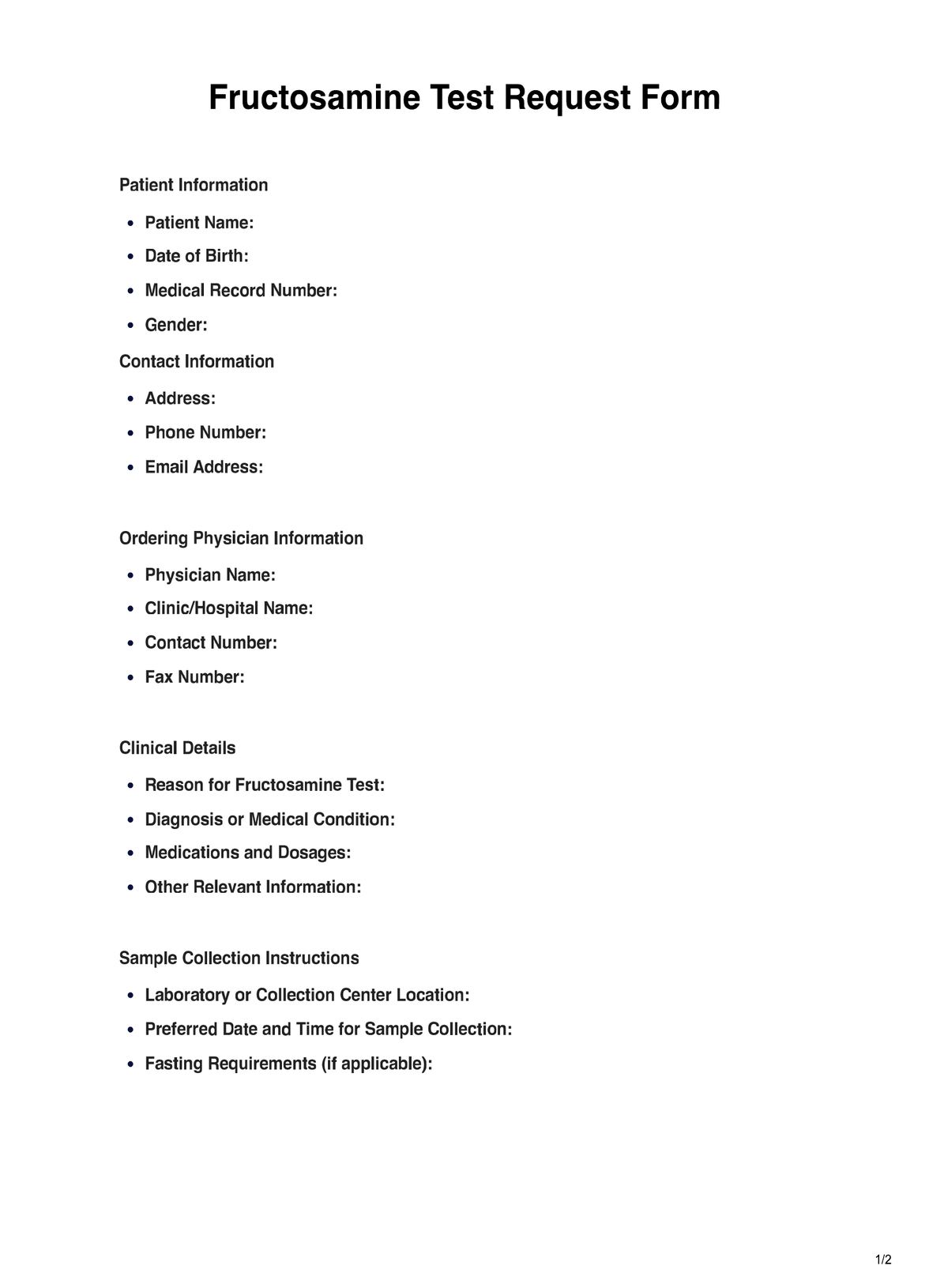




What is a Fructosamine Test?
A fructosamine test, also known as a serum fructosamine test, is a blood test that measures the fructosamine level in a person's bloodstream. Fructosamine is a compound formed when glucose (sugar) in the blood attaches to proteins, primarily albumin, and reflects a person's average blood sugar control over the past 2-3 weeks. This test is instrumental in monitoring and managing diabetes.
The fructosamine test is an alternative or complementary method to the more common hemoglobin A1c (HbA1c) test for assessing long-term blood sugar control. While HbA1c reflects blood sugar levels over 2-3 months, fructosamine offers a shorter-term view of blood glucose control.
It is often used when immediate or frequent monitoring is necessary, such as during pregnancy, rapid changes in medication, or when there are concerns about recent blood sugar fluctuations.
To perform the fructosamine test, a blood sample is collected from a patient and sent to a laboratory for analysis. The results are reported in micromoles per liter (umol/L) and indicate the average blood sugar levels during the preceding weeks. High fructosamine levels suggest poor blood sugar control, whereas lower levels indicate better management.
This test is valuable for individuals with diabetes and their healthcare providers because it helps tailor treatment plans and medication adjustments, leading to more effective diabetes management. It can also be beneficial for pregnant women with gestational diabetes, people with type 1 diabetes, or those experiencing frequent blood sugar fluctuations.
However, it's important to note that the fructosamine test is not a stand-alone diagnostic tool. It should be used with other tests and clinical evaluations to provide a comprehensive understanding of blood sugar control.









