





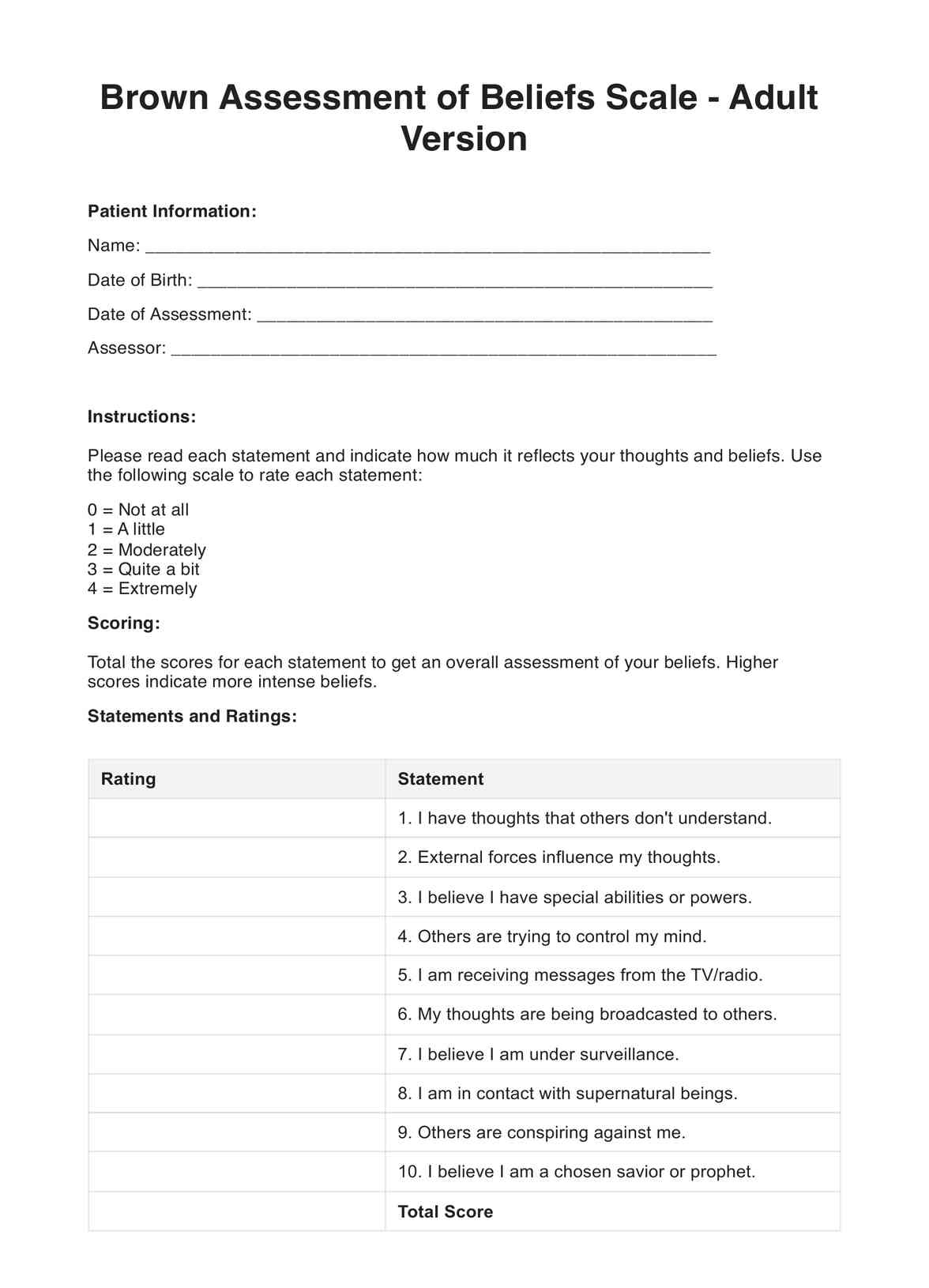




What are delusions?
Delusions are intricate manifestations of distorted thinking encompassing false beliefs, often impervious to reason or evidence. They are commonly associated with various psychiatric disorders, most notably schizophrenia and certain types of bipolar disorder. Delusions can vary widely in content, but they generally involve misinterpretations of reality and a strong conviction in their accuracy, despite contradicting factual information.
These erroneous beliefs can significantly impact an individual's perception of the world, interactions with others, and overall functioning. Delusions are often categorized on a continuum, ranging from bizarre to non-bizarre. Bizarre delusions involve implausible and unrealistic concepts, such as believing one has been abducted by extraterrestrial beings. On the other hand, non-bizarre delusions involve situations that could occur, though they are still unfounded in reality, such as believing that others are plotting against them.
Delusions can hinder an individual's ability to engage in rational thinking as they resist contrary evidence or logical arguments. This can result in social isolation, impaired decision-making, and difficulty distinguishing between what's real and what's not. Effective treatment often involves a combination of antipsychotic medications, psychotherapy, and support from mental health professionals in order to client's symptom severity.
For electronic health records (EHRs), which play a crucial role in documenting and managing patient information, individuals with delusions may present challenges. Delusional beliefs influence what patients disclose to healthcare providers, impacting the accuracy of their medical history. Accurate and comprehensive EHRs are essential for providing appropriate care. To learn more about the significance of EHRs in managing mental health conditions like , visit Carepatron.









