Transition from Hospital to Home: Tips for Success
Transitioning from the hospital to home can overwhelm patients. Read this guide to get tips for a successful transition to ensure a safe recovery process.

Get carepatron free
## **Responsibilities of healthcare professionals involved**
Healthcare professionals are vital in ensuring a smooth hospital discharge and transition of care from hospital to home. Their responsibilities include discharge planning, continuity of patient care, education, patient safety, and ongoing support services to prevent complications and hospital readmissions.
Discharge planning is a key responsibility of hospital staff, including physicians, nurses, and discharge coordinators (Patel & Bechmann, 2023). They assess patient needs, develop a care plan, and ensure necessary health care resources are in place before discharge. Primary care providers take over post-discharge care, ensuring patients receive follow-up appointments and medication adjustments.
Nurses and case managers coordinate with family members to educate them on post-hospital care, including medication management, wound care, and recognizing warning signs (Karam et. al., 2021). They also arrange skilled nursing care if needed, particularly for elderly patients with complex medical needs or Medicare patients requiring specialized assistance.
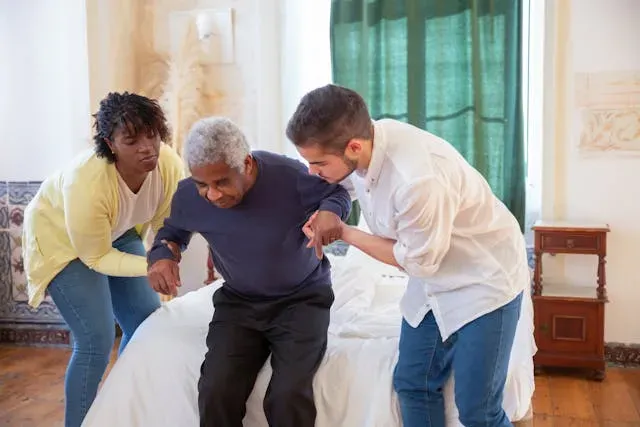
Physical and occupational therapy professionals and home health care service aides contribute to rehabilitation and patient safety by assessing mobility, recommending home modifications, and preventing falls. Social workers assist with emotional support and connect families with support services such as transportation or financial aid.
Effective collaboration between health care professionals, caregivers, and patients—alongside ongoing healthcare research—is essential to improving clinical outcomes and minimizing hospital readmissions.
## **Challenges when transitioning from hospital to home**
Healthcare professionals encounter multiple challenges when facilitating care transitions from hospital to home. Seamless coordination between health care systems is a primary challenge, as gaps in communication between hospital staff, community care coordinators, and home health care service providers can lead to adverse events such as medication errors or missed follow-up appointments.
Another significant challenge is medication management, particularly for older adults with multiple prescriptions. Thorough oversight is required to ensure patients adhere to their medication regimen and educate family members on proper administration. Additionally, arranging medical equipment and ensuring patients and caregivers are trained in its use can be complex, especially when transitioning patients with specialized medical needs like congestive heart failure or chronic obstructive pulmonary disease.
Access to rehabilitation services, including physical therapy and occupational therapy, can also be limited due to resource constraints. This can affect recovery, particularly for patients discharged from a skilled nursing facility who require specialized services to regain independence. Furthermore, delays or gaps in community-based services can impact ongoing patient care, leading to preventable complications or hospital readmissions.
Addressing these challenges requires structured discharge planning in the health care system, improved interprofessional collaboration, and increased access to post-discharge support. Strengthening communication between healthcare settings, ensuring adequate caregiver training, and expanding transitional care resources can significantly improve clinical outcomes.
## **Transitioning care from hospital to home**
A well-structured transition of care from hospital to home is essential to prevent adverse outcomes and improve recovery. Healthcare professionals are crucial in ensuring patient safety, quality care, and seamless coordination. Effective communication, proper discharge planning, and utilizing available resources can improve quality of life and reduce readmissions. Below are key strategies to facilitate this process.
### **Prepare the home environment**
A safe and functional home environment is essential for recovery. Before hospital discharge, necessary medical equipment, such as wheelchairs or hospital beds, should be arranged. Personal care needs, including accessibility modifications like grab bars and non-slip flooring, should be assessed, particularly for patients discharged requiring complex care or recovering from heart failure. Proper home preparation reduces risks and promotes independence.
### **Understand discharge instructions**
Clear patient engagement is critical in understanding post-discharge care. Patients, their family members, friends, and caregivers should carefully review all discharge instructions regarding medications, activity restrictions, and rehabilitation needs. Addressing poor communication between hospital staff and caregivers prevents errors. Patients must provide informed consent after fully understanding their care plan.
### **Manage medications**
Proper medication management minimizes complications. Healthcare professionals should ensure medication reconciliation, preventing duplication or harmful interactions. A structured medication schedule should be established to avoid confusion. Adherence to prescribed therapies is crucial for continued recovery for patients transitioning from a rehab facility or skilled nursing facility.
### **Engage in lifestyle changes**
Encouraging patients to follow health care recommendations, such as dietary adjustments and physical activity, supports long-term recovery. Caregivers play a key role in reinforcing these changes. Educating patients about necessary lifestyle modifications helps manage chronic diseases like heart failure and prevents hospital readmissions.
### **Coordinate with follow-up care**
Scheduling post-discharge follow-ups is essential to monitor progress and address complications early. Healthcare professionals should work closely with discharge planners to facilitate seamless transitions. Coordination among primary care providers, specialists, and rehabilitation services ensures continuity of care and reduces reliance on the emergency department for preventable complications.
### **Utilize support services**
Access to community resources can significantly enhance recovery. Professional home care providers offer personal care assistance, helping patients with daily tasks. Community-based services support unpaid or friend caregivers, easing the burden of care. Ensuring these services are in place promotes long-term stability and recovery.
### **Follow transitional care models**
Using evidence-based care transition models improves patient outcomes. Multidisciplinary approaches, including community care coordinators, ensure hospital and home care continuity. Programs like care transition coaching empower patients and caregivers with essential skills for managing health post-discharge, ultimately reducing preventable readmissions.
## **Key takeaways**
A well-coordinated transition of care from hospital to home ensures patient safety, continuity of care, and improved recovery outcomes. Healthcare professionals are critical in discharge planning, medication management, and ensuring access to rehabilitation and community-based services.
Addressing challenges such as poor communication and a lack of support services helps prevent adverse events and hospital readmissions. By implementing structured care transition models and engaging family members and caregivers, healthcare providers can enhance quality care and promote long-term well-being. A proactive approach ensures patients discharged receive the necessary support for a smooth and safe recovery at home. These efforts contribute to reducing hospital utilization, improving patient satisfaction, and minimizing health care expenditures among diverse patient populations, including Medicare beneficiaries in the hospital setting.
### **References**
Karam, M., Chouinard, M.-C., Poitras, M.-E., Couturier, Y., Vedel, I., Grgurevic, N., & Hudon, C. (2021). Nursing care coordination for patients with complex needs in primary healthcare: A scoping review. International Journal of Integrated Care, 21(1), 1–21. https://doi.org/10.5334/ijic.5518
Patel, P., & Bechmann, S. (2023). Discharge planning. StatPearls Publishing. https://www.ncbi.nlm.nih.gov/books/NBK557819/