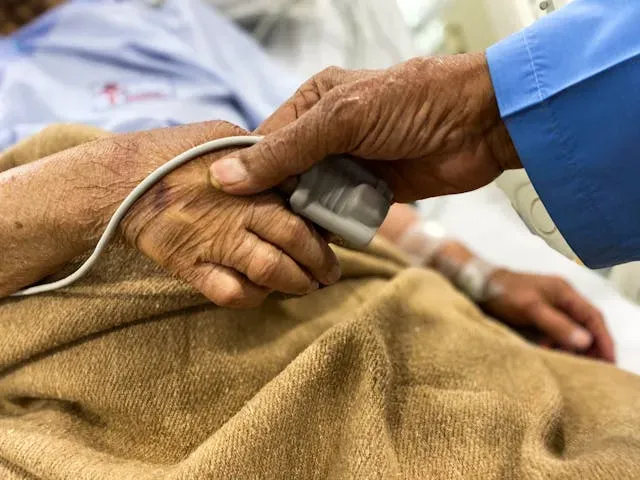

What is end-of-life care?
End-of-life care is a comprehensive approach to supporting individuals who are nearing death. It includes a range of medical, emotional, and spiritual interventions aimed at ensuring the highest quality of life possible during the final stages of a terminal illness. This type of care prioritizes comfort and dignity, addressing symptoms such as pain, breathing difficulties, and digestive issues while also providing emotional and psychological support to patients and their families.
A significant aspect of end-of-life care is palliative care, which focuses on alleviating the symptoms and stress of serious illness rather than attempting to cure the underlying disease. This care involves detailed advance care planning to honor the patient's wishes regarding life-sustaining treatments, such as mechanical ventilation or resuscitation. By adhering to basic ethical principles, end-of-life care ensures that patients receive compassionate and respectful treatment that aligns with their values and preferences during their final days (National Institute on Aging, 2022).
Kinds of support end-of-life care provides
End-of-life care provides various types of support to terminally ill patients to ensure their comfort, dignity, and quality of life. This care encompasses physical, emotional, spiritual, and practical support, guided by basic ethical principles and aimed at both patients and their families.
Physical comfort
Physical comfort is a crucial aspect of end-of-life care, focusing on alleviating pain and managing symptoms to ensure the patient's comfort and dignity. Here's what that entails:
- Pain management: For terminally ill patients, pain management is crucial. Palliative medicine focuses on alleviating severe pain through medications like morphine, ensuring the patient's life is as comfortable as possible without concerns about long-term drug dependency.
- Breathing difficulties: Shortness of breath, a common issue, can be managed by raising the head of the bed, using a fan, or administering medications. These interventions aim to ease the discomfort associated with breathing problems.
- Skincare: Skin irritation and bedsores can significantly impact a patient's quality of life. Keeping the skin clean and moisturized and regularly changing the patient’s position can prevent these issues.
- Digestive issues: Nausea, vomiting, constipation, and loss of appetite are managed through medications and dietary adjustments. Encouraging small, frequent meals can help, but it's essential not to force food, respecting the patient's natural decline in appetite.
- Temperature regulation: Monitoring and adjusting the room temperature, along with providing appropriate clothing and blankets, can address the patient's sensitivity to temperature changes, enhancing their comfort.
Emotional, mental, and spiritual support
Providing emotional, mental, and spiritual support is essential in addressing the psychological and spiritual needs of patients and their families, promoting peace and well-being during the end-of-life journey.
- Counseling and therapy: Emotional and psychological support is vital for both patients and their families. Counseling and support groups help in coping with the emotional strain of terminal illness.
- Communication: Open and compassionate communication helps address the fears and concerns of patients, promoting emotional well-being and allowing them to express their wishes and needs.
- Spiritual Care: Spiritual support helps patients find peace and meaning as they approach the end of their lives. This can involve religious rituals, spiritual counseling, or simply respecting their beliefs and values.
Practical support
Practical support focuses on assisting with daily tasks and ensuring that the patient's wishes regarding medical interventions are respected, thereby maintaining their autonomy and dignity. Let's go into more detail:
- Advance care planning: This involves discussing and documenting the patient’s preferences for life-sustaining treatments and other medical interventions. It ensures that their wishes are respected, enhancing their autonomy and dignity.
- Practical assistance: Assisting with daily tasks, such as bathing, dressing, and using the bathroom, helps maintain the patient’s comfort and dignity. Providing tools like bedside commodes or shower stools can make these tasks easier.
Goals of end-of-life care
End-of-life care has several essential goals aimed at ensuring that terminally ill patients receive compassionate, respectful, and dignified care during their final days. These goals focus on alleviating suffering, enhancing quality of life, and supporting patients and their families. Here are its goals:
- Alleviating pain and managing symptoms: One primary goal of end-of-life care is alleviating pain and managing symptoms effectively. This involves using palliative medicine to control severe pain, breathing difficulties, nausea, and other distressing symptoms.
- Enhancing quality of life: End-of-life care prioritizes the quality of life for terminally ill patients. This means providing care that focuses on comfort and dignity rather than attempting to cure the illness.
- Respecting patient autonomy and wishes: Another crucial goal is respecting the patient's autonomy and wishes. This is achieved through advance care planning, where patients can express their preferences regarding life-sustaining treatments and other medical interventions.
- Providing emotional and spiritual support: End-of-life care also aims to provide comprehensive emotional and spiritual support to patients and their families. This includes counseling, support groups, and spiritual care to help them cope with the emotional strain of terminal illness.
- Offering practical assistance: Finally, end-of-life care includes offering practical assistance with daily tasks and ensuring the patient's environment is as comfortable as possible.
By focusing on these goals, end-of-life care seeks to provide a compassionate, respectful, and dignified experience for terminally ill patients, supporting them and their families through one of life's most challenging phases (National Institute on Aging, 2022).