Anger Management Techniques and Exercises
Here’s an array of Anger Management techniques and exercises to assist individuals in effectively managing their anger. These methods, facilitated by skilled therapists, provide understanding, regulating, and mitigating anger:
Practice Deep Breathing
Deep breathing techniques are fundamental to anger management issues. Individuals are taught to take slow, deep breaths to calm themselves during anger. This exercise is potent as it helps reduce the physiological manifestations of anger, such as increased heart rate and tension, allowing individuals to regain control of their emotions.
Reframe Negative Thoughts
Cognitive restructuring is a pivotal aspect of anger management therapy. This technique involves helping individuals reframe their negative thoughts and beliefs that often contribute to anger. By challenging and altering these thought patterns, individuals can change their emotional responses, promoting more constructive reactions to triggering situations.
Observe Mindfulness Meditation
Mindfulness meditation is a widely practiced exercise in anger management. It encourages individuals to engage in mindfulness practices, fostering increased self-awareness and emotional control. By remaining present in the moment, individuals can observe their emotions without immediate reaction, thus facilitating better management of their anger.
Evaluate One’s Emotional State
Time-outs, akin to those used for children, are suggested for adults in anger management therapy. These breaks from heated situations provide individuals with the opportunity to cool down and regain composure. This exercise promotes taking a step back, reevaluating one's emotional state, and making more rational decisions.
Develop Conflict Resolution Skills
Effective conflict resolution skills are integral to managing anger and fostering healthier relationships. Therapy often involves teaching strategies for resolving conflicts peacefully and assertively. These skills empower individuals to address disputes or disagreements without resorting to unhealthy anger responses.
Engage in Physical Activity
Physical activity is another essential component of anger management. Regular exercise plays a significant role in reducing stress and anger. Therapy often promotes the incorporation of physical activity into one's routine as a means of dissipating excess energy and tension, ultimately contributing to better anger management.
Keep a Journal
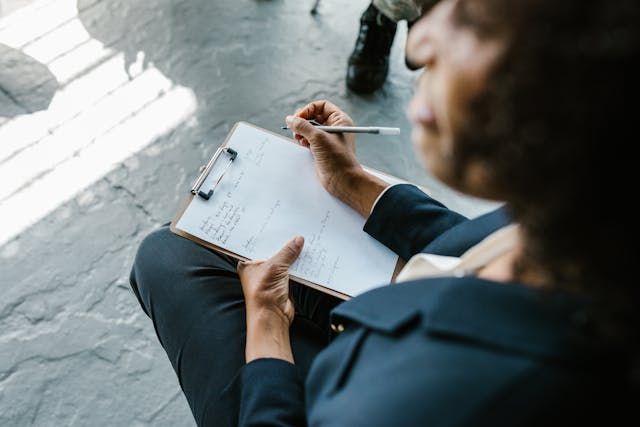
Anger journaling is a therapeutic practice that encourages individuals to record their anger triggers and responses. This exercise promotes self-awareness and reflection, helping individuals identify patterns in their anger, which can be pivotal in developing effective coping strategies.
Practice Muscle Relaxation Techniques
Progressive muscle relaxation is a technique employed in anger management therapy to guide individuals in relaxing their bodies and reducing tension. By systematically relaxing muscle groups, individuals can alleviate the physical symptoms of anger, further supporting effective anger management.
Download Relaxation and Mindfulness Apps
In the digital age, relaxation and mindfulness apps have become increasingly popular for managing anger. These apps offer guided meditation, deep breathing exercises, and relaxation techniques that individuals can access anytime and anywhere.
Utilize Anger Management Workbooks
Anger management worksheets are valuable resources that individuals can use independently or with the guidance of a therapist. These workbooks typically contain exercises, worksheets, and practical advice for managing anger.
Anger Coping Plans
Creating personalized anger-coping plans is a valuable exercise in anger management therapy. Individuals work with their therapists to devise strategies for recognizing the signs of anger, implementing coping techniques, and preventing anger from reaching unhealthy levels.