
Maranasati meditation focuses specifically on mindfulness of death, awareness, and the impermanence of life, unlike general mindfulness meditation, which emphasizes present-moment awareness. This practice encourages reflection on one's own death and mortality, helping individuals face death practice the dying process with peace and purpose.
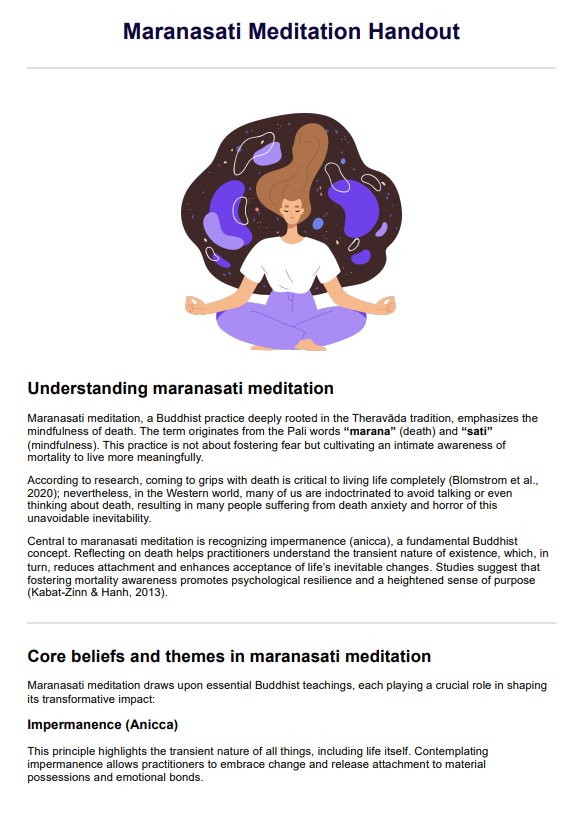



Maranasati Meditation Handout
Discover the transformative power of Maranasati meditation, a mindfulness practice for death awareness practice, resilience, and purposeful living.

Use Template
Maranasati Meditation Handout Template
Commonly asked questions
This wisdom practice can benefit anyone, including healthcare professionals, patients, and individuals facing existential concerns. It is especially valuable for those managing grief, anxiety, or a terminal diagnosis, as it fosters acceptance, resilience, and gratitude for everyday life.
Yes, this very important practice addresses the basic psychological conflict of mortality, the same way as reducing the fear and anxiety associated with most people having their own passing. It promotes mental health by encouraging mindfulness of the present moment and enhancing emotional balance and clarity.
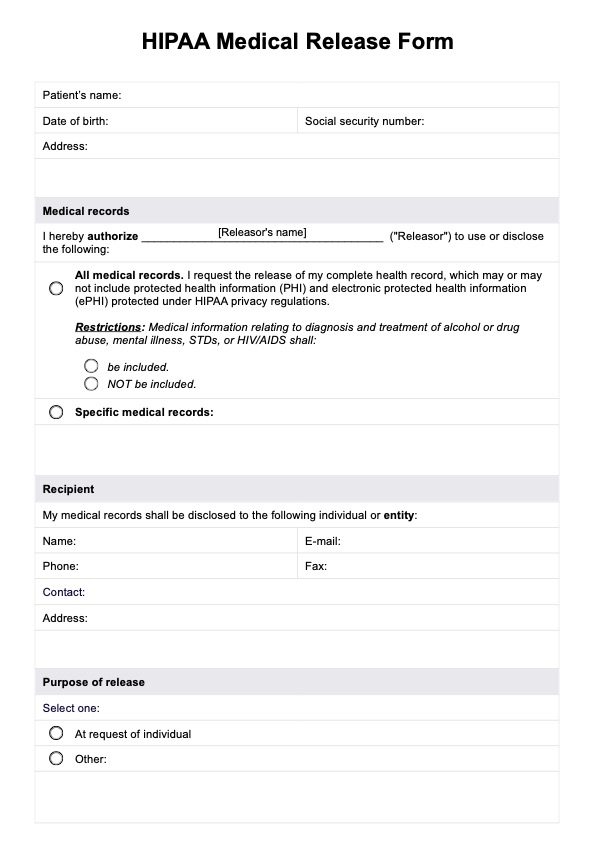
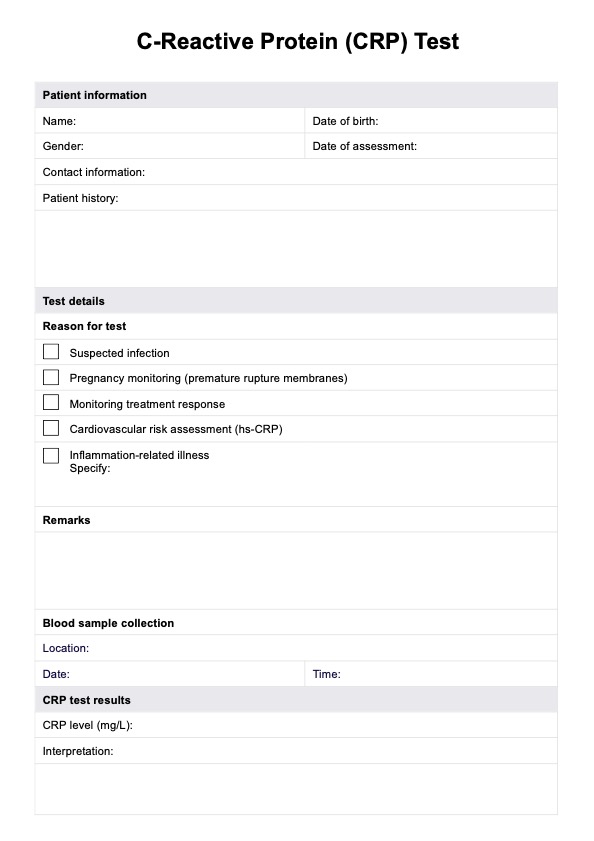
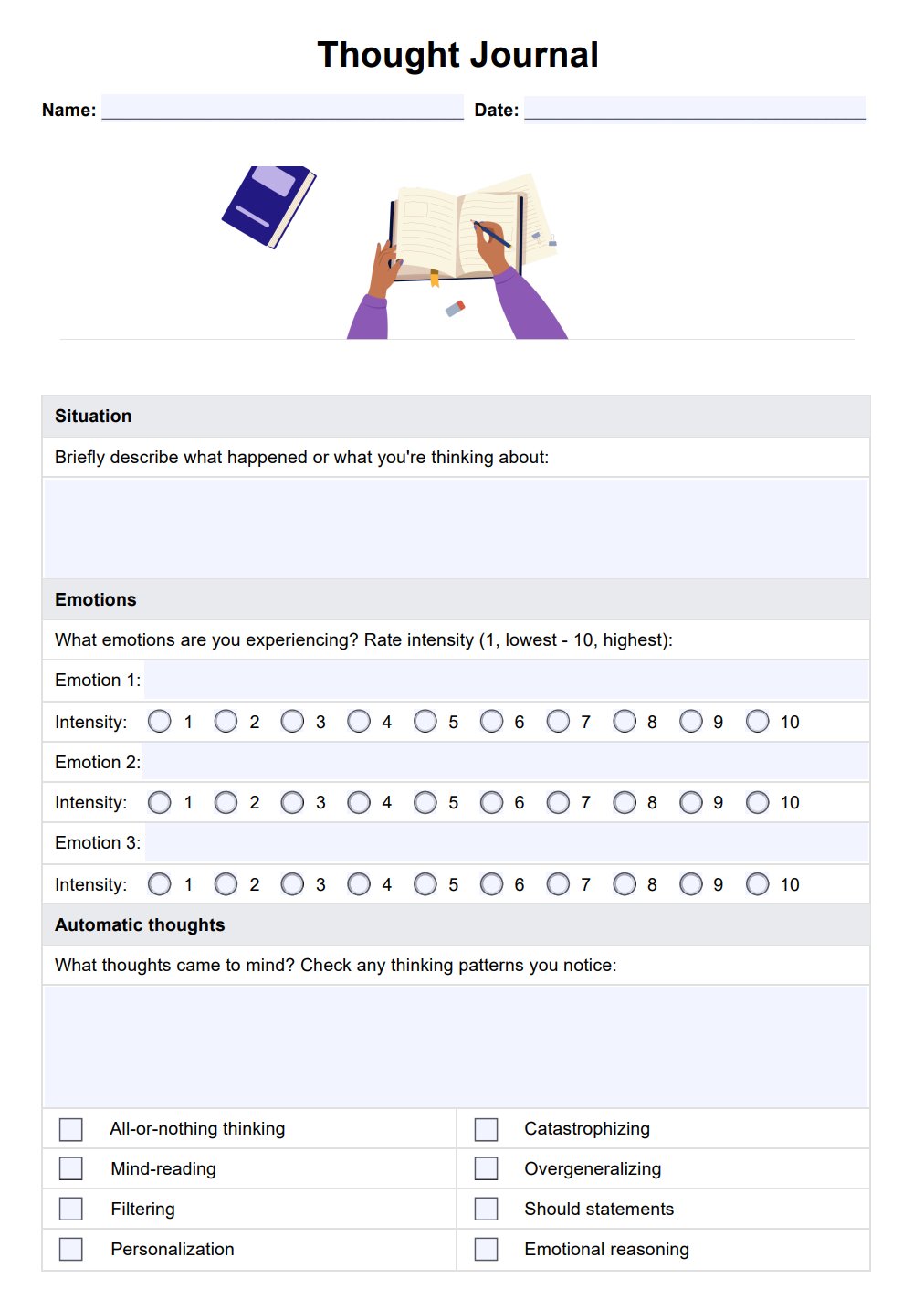


EHR and practice management software
Get started for free
*No credit card required
Free
$0/usd
Unlimited clients
Telehealth
1GB of storage
Client portal text
Automated billing and online payments