





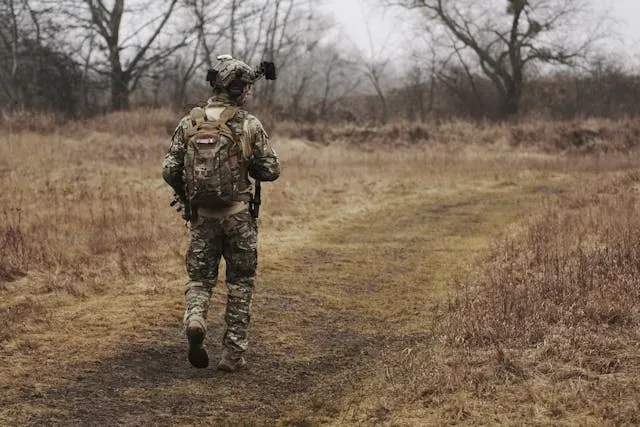

Understanding mental health in the military
Military service creates a distinct mental health care context unlike any other profession. Service members operate in environments designed for extreme situations. They face deployment to conflict zones, witness traumatic events, maintain constant vigilance, and navigate frequent transitions between vastly different worlds. These experiences can develop remarkable resilience yet present unique mental health challenges requiring specialized care and understanding.
Research reports approximately 14% to 16% of the US service members deployed to Afghanistan and Iraq have been affected by post-traumatic stress disorder (PTSD) or depression (Moore et al., 2023). To add to this, even with how mental illness affects millions and is becoming more widely recognized, military personnel with disruptive leadership are still less likely to seek mental health support (McGuffin et al., 2021).
For mental health providers working with this population, recognizing the distinct context of military mental health is essential. The psychological impact of military service extends beyond diagnosis and treatment to encompass identity, unit cohesion, mission readiness, and the transition between military and civilian roles. Effective mental health services require understanding both the institutional framework of military healthcare and the lived experience of service members navigating mental health challenges within a culture that traditionally values stoicism and self-reliance.