
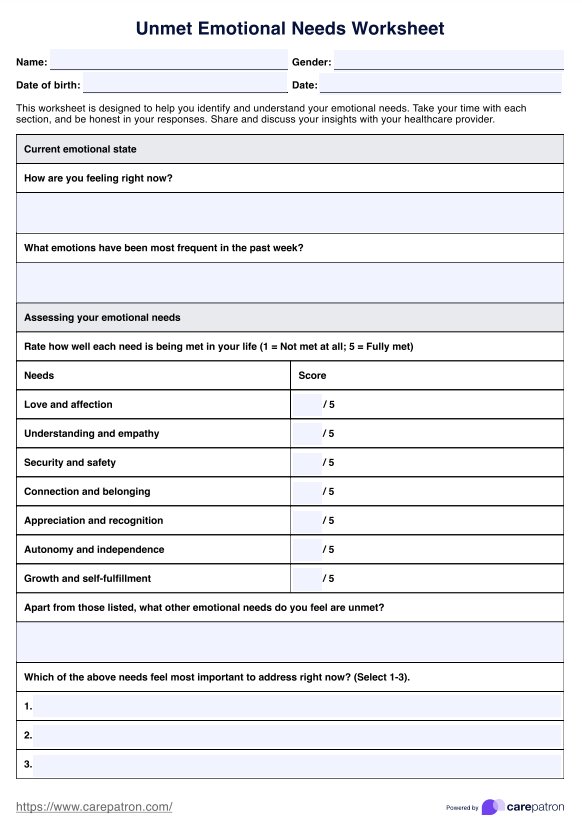




What happens when emotional needs are not met?
Emotional needs are fundamental aspects of human psychology and are crucial for mental health and well-being. These needs, which encompass love, security, belonging, appreciation, and self-fulfillment, form the core emotional foundation of our well-being. These core emotional needs significantly influence our behavior, relationships, and overall happiness.
When our emotional needs are not met, it can lead to a range of psychological problems and behavioral issues. Neglecting these core needs often results in negative consequences that affect our mental health, relationships, and quality of life. Below are some key effects of unmet emotional needs.
Relationship difficulties
A deficit in emotional needs can strain personal, intimate relationships, often hindering emotional connection and intimacy. Individuals may struggle with trust, intimacy, and communication, leading to conflicts or a feeling of disconnection from others.
Low self-esteem
Without adequate emotional support and recognition, individuals can experience diminished self-esteem. This often manifests as feelings of inadequacy, self-doubt, and a negative self-image.
Behavioral problems
Unmet emotional needs can lead to various behavioral issues, such as substance abuse, aggression, or withdrawal from social interactions. These behaviors may be coping mechanisms for underlying emotional distress.
Physical health decline
Emotional well-being can also affect physical health since trauma and chronic unfulfillment of emotional needs often manifest in physical symptoms. Chronic unfulfillment of emotional needs can lead to physical symptoms like fatigue, insomnia, and weakened immune responses.
Understanding these consequences highlights the importance of proactively addressing emotional needs in personal and clinical settings. Identifying and fulfilling these needs is crucial for maintaining emotional fulfillment and overall well-being.









