
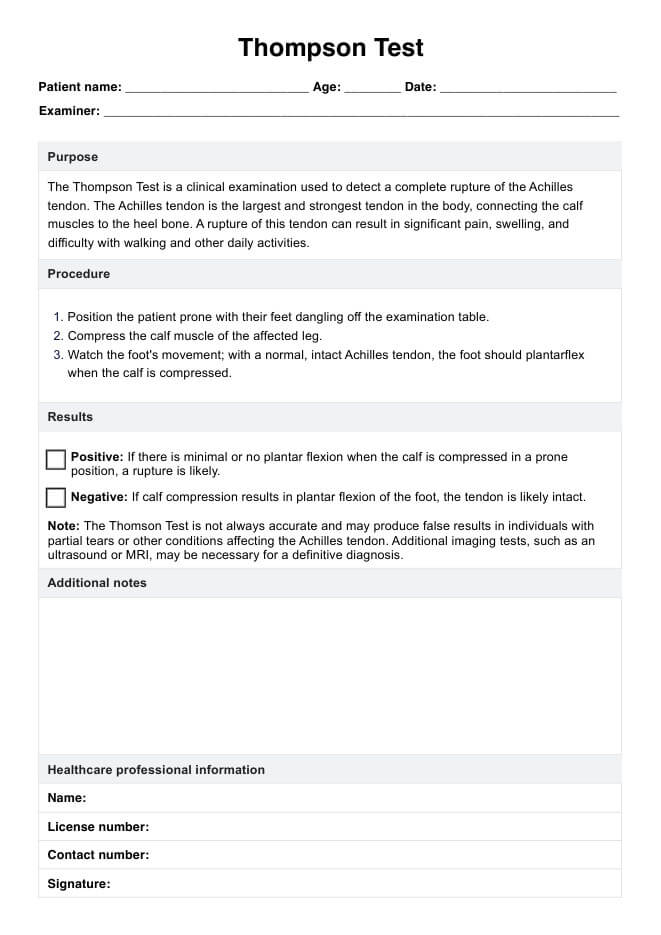




What is an Achilles rupture?
An Achilles rupture is a serious injury involving a tear in the Achilles tendon, the largest tendon in the body. This tendon connects the calf muscles to the heel bone and plays a crucial role in walking, running, and jumping.
When it ruptures, it can cause significant pain and loss of function in your lower leg. Achilles ruptures often occur suddenly and may feel like being kicked or hit in the back of the ankle.
It can happen to anyone, but it is most common in athletes and middle-aged adults who participate in sports or intensive physical activities.
Symptoms of an Achilles rupture
Recognizing the symptoms of an Achilles rupture is vital for early diagnosis and treatment. Common symptoms include:
- Sudden, sharp pain in the back of your ankle or calf
- A popping or snapping sound at the time of injury
- Swelling and bruising near the heel
- Difficulty walking, particularly pushing off with the affected foot
- A visible gap or indentation above your heel where the tendon has torn
Causes of Achilles ruptures
Several factors can contribute to an Achilles rupture:
- Overuse: Repetitive stress from activities like running or jumping can weaken the tendon over time.
- Sudden increase in activity: Rapidly increasing the intensity or frequency of physical activity can strain the tendon.
- Age: As you age, the Achilles tendon loses flexibility and strength, making it more susceptible to tears.
- Medications: Certain medications, such as corticosteroids and some antibiotics, have been linked to an increased risk of tendon rupture.
- Existing conditions: Conditions like tendonitis, which causes tendon inflammation, can predispose you to a rupture.
Potential complications Achilles ruptures may lead to:
An untreated Achilles rupture can lead to various complications, including:
- Chronic pain: Persistent pain in the affected area.
- Limited mobility: Difficulty walking or performing daily activities.
- Re-rupture: The tendon may tear again, especially if not properly rehabilitated.
- Muscle weakness: Reduced strength in the calf muscles.
- Scar tissue: Excessive scarring can lead to stiffness and reduced flexibility.









