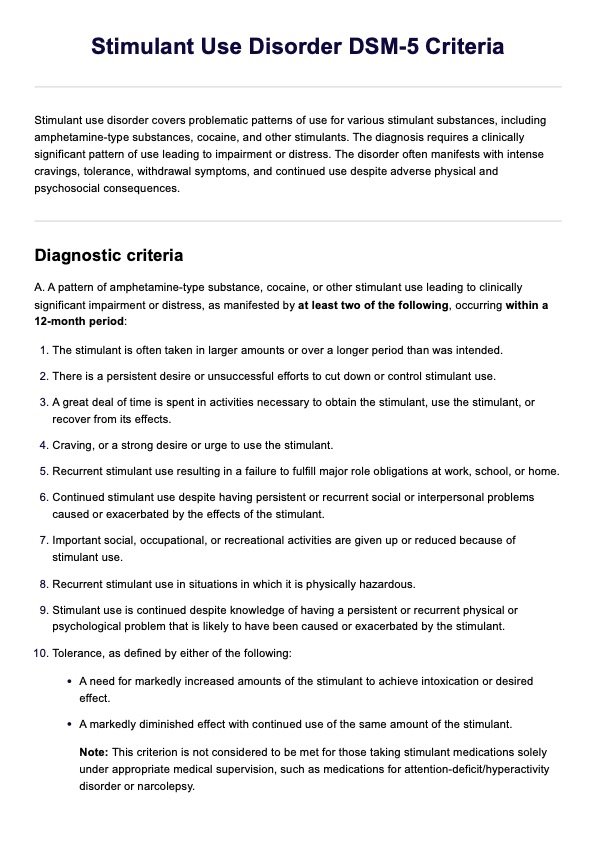
How is stimulant use disorder treated and managed?
The following strategies are commonly used to treat and manage stimulant use disorders:
Behavioral therapies
Cognitive-behavioral therapy (CBT) is one of the primary treatments for stimulant use disorder. CBT helps individuals identify and change negative thought patterns and behaviors related to substance abuse. Contingency management, a therapeutic strategy that reinforces positive behavior through rewards, is also frequently used for stimulant use disorder. These therapies are vital for addressing the underlying addictive disorder and its impact on mental health.
Medications
Currently, there are no FDA-approved medications specifically for stimulant use disorder treatment. However, medications like antidepressants or anticonvulsants are sometimes used to manage withdrawal symptoms and substance-induced mental disorders, such as anxiety or depression. Individuals taking stimulant medications solely under appropriate medical supervision for conditions like attention-deficit hyperactivity disorder (ADHD) should be monitored closely to avoid misuse or dependency.
Support groups and rehabilitation
Support groups, including 12-step programs like Narcotics Anonymous (NA), can play a crucial role in recovery by providing peer support. Inpatient rehabilitation may be necessary for severe stimulant use disorder, particularly when withdrawal symptoms or a substance-induced mental disorder requires intensive monitoring. A controlled environment can reduce the temptation to engage in recurrent stimulant use, providing a stable foundation for long-term recovery.
Management of withdrawal symptoms
Managing stimulant withdrawal symptoms is a critical aspect of treatment. Symptoms can include fatigue, depression, and intense cravings, which, if left unaddressed, can contribute to relapse. Supportive care, therapy, and medications to manage symptoms are essential to prevent further substance abuse.
Long-term recovery and relapse prevention
Long-term recovery focuses on maintaining sustained remission, typically through continuous therapy and support systems. Relapse prevention strategies include identifying triggers, managing cravings, and developing coping skills to avoid recurrent stimulant use. For individuals with severe substance use disorder or those with a history of substance-related disorders, maintenance therapy may be required to help manage symptoms and avoid relapse.