




What Is A Smooth Muscle Antibody (SMA) Test?
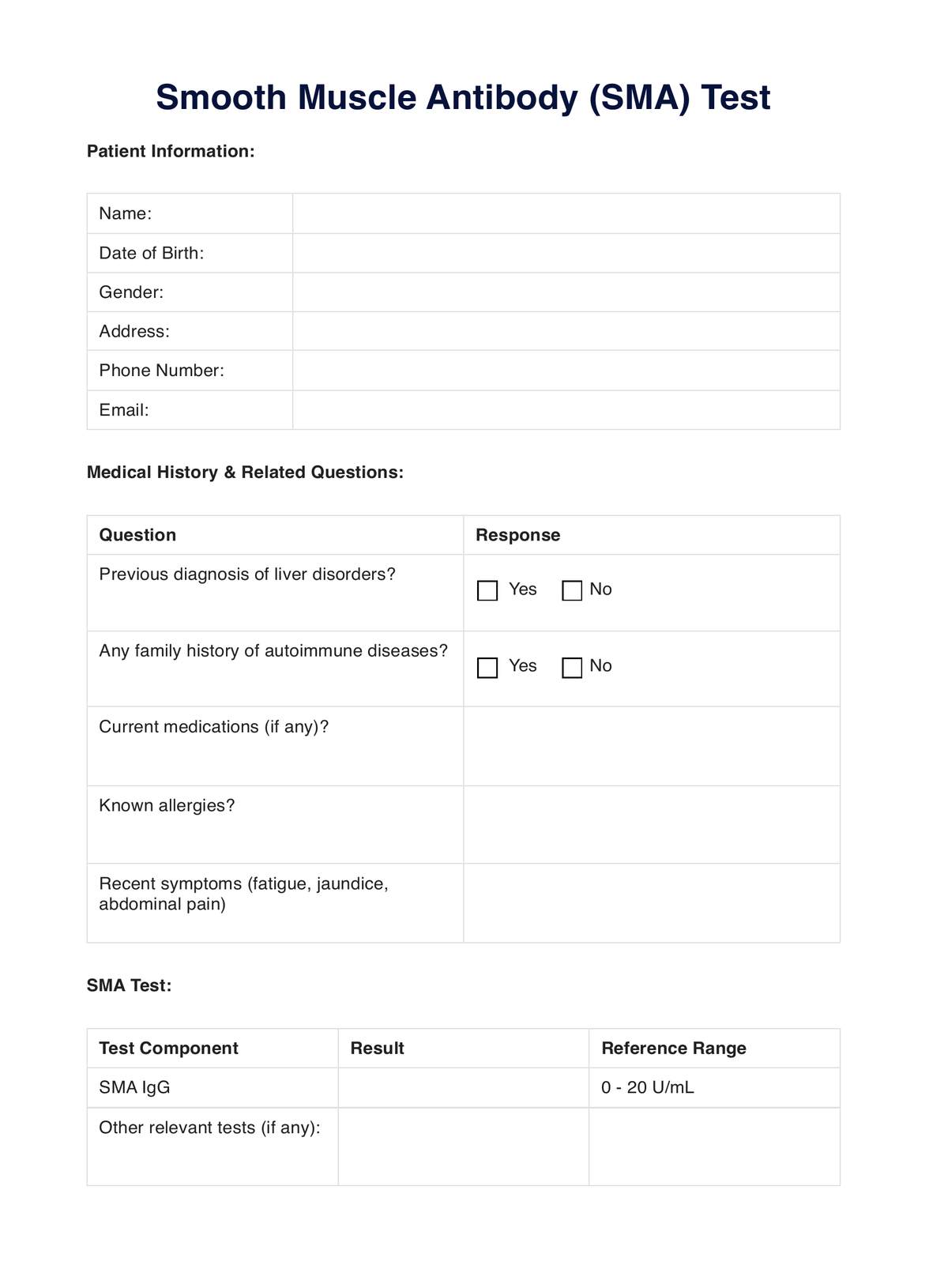
In medical diagnostics, specific tests are pivotal in unraveling the mysteries that often shroud autoimmune disorders. One such crucial test is the Smooth Muscle Antibody (SMA) Test, a blood test specifically designed to detect the presence of antibodies against smooth muscle tissue in the body.
When your immune system, the body's defense mechanism, mistakenly identifies your tissues as foreign, it produces antibodies to attack them. This scenario is typical in autoimmune diseases, and the SMA test plays a critical role in diagnosing conditions such as autoimmune hepatitis, where the immune system attacks the liver cells, leading to inflammation and potential liver damage.
The SMA test isn't just about identifying antibodies; it's about understanding the story they tell. Elevated levels of smooth muscle antibodies in your blood can indicate ongoing autoimmune activity within your body, often pointing healthcare professionals toward diagnosing a liver-centric autoimmune disorder. However, it's important to note that while the test is a powerful tool in the diagnostic process, it is not the sole determinant. Medical professionals often use SMA test results with other tests and to comprehensively view a patient's health status.
The SMA test is a beacon, guiding healthcare professionals through the often murky waters of autoimmune disorders. It's not just a test; it's a lifeline for individuals seeking answers amidst the complexities of their symptoms. With resources like Carepatron, managing and understanding the intricacies of such tests becomes a streamlined, user-friendly experience.









