





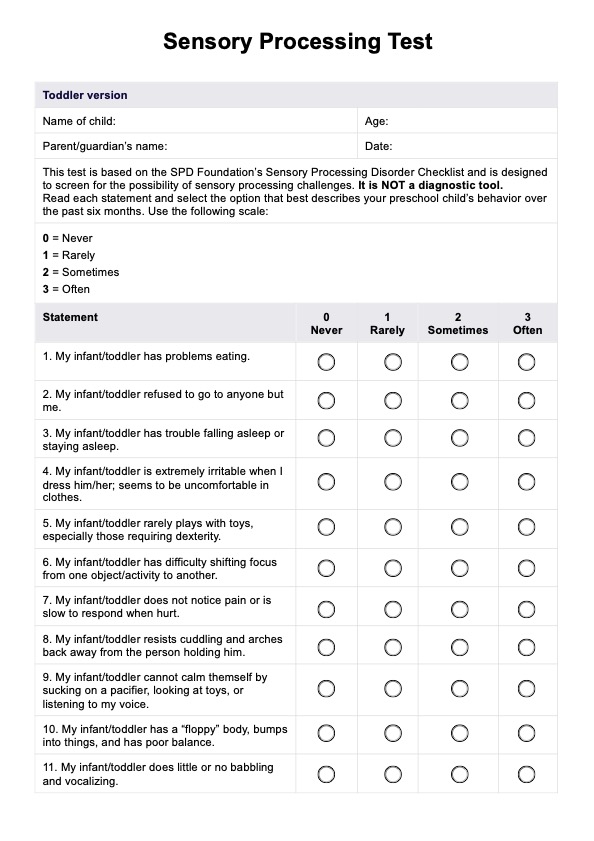




Understanding sensory processing disorder
Sensory processing disorder (SPD) is a condition where the brain and nervous system have difficulty interpreting and responding to sensory information. This can lead to heightened sensitivity to stimuli like textures, sounds, and fabrics, causing sensory overload. In children, SPD may result in behaviors such as limited emotional expression, avoiding eye contact, and delayed speech development. It can also impact coordination and motor skills, increasing the risk of falls due to difficulties in processing sensory input. Occupational therapy, including sensory integration therapy, can help improve these skills over time.
SPD can also affect behavior and attention, with children exhibiting symptoms similar to ADHD, such as trouble focusing and emotional outbursts. Sensory overload can exacerbate these issues, making it difficult for children to concentrate in overstimulating environments. Though SPD is not a psychiatric disorder, it can significantly impact daily functioning, affecting school, home life, and social interactions.
In adults, SPD is often underdiagnosed but can lead to similar challenges, such as heightened sensitivity to sensory input and difficulty with focus and emotional regulation. Adults may struggle in noisy environments, experience discomfort with certain fabrics, or feel overwhelmed in crowded spaces, impacting daily tasks and social interactions. SPD in adults can contribute to stress, fatigue, and difficulty managing emotions, often affecting work and personal life.









