
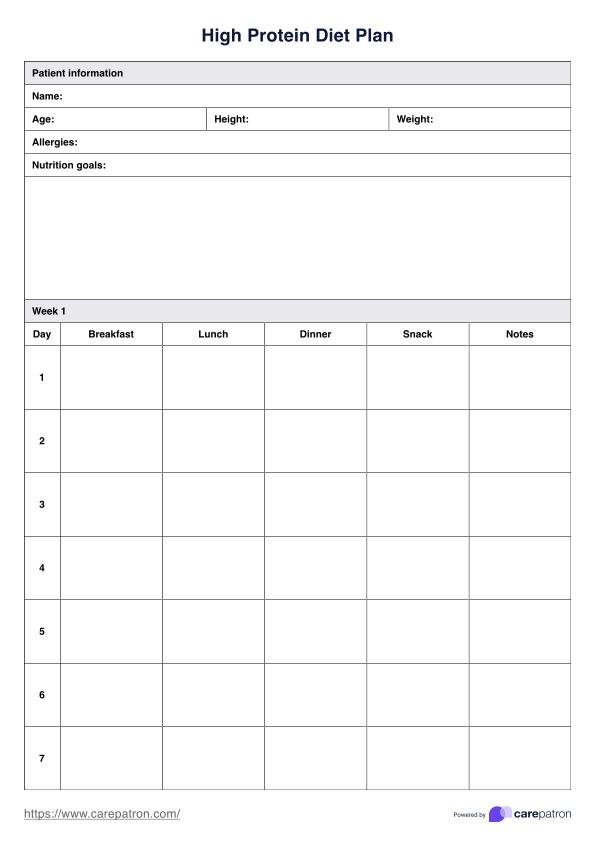




What is a high-protein diet?
A high-protein diet focuses on consuming protein in greater amounts than the standard recommended dietary allowance. This type of diet is commonly used to lose weight and improve body composition by decreasing body fat while preserving muscle mass. Clinical trials, according to Moon and Koh (2020), have demonstrated that high-protein meals not only support weight loss but can also help prevent weight regain. Additionally, high-protein meal plans can be tailored to both low-calorie and standard-calorie diets, making them versatile for different nutritional goals.
The health benefits of a high-protein diet extend beyond weight management. Increasing protein intake boosts the production of certain hormones that enhance satiety, reducing hunger and food intake. Combined with a higher diet-induced thermogenesis (DIT), this mechanism means high-protein foods like grilled chicken, plant-based proteins, and brown rice help burn more calories during digestion. Individuals may also use protein powder and amino acids and include them in their high-protein meal plan. Knowing how much protein intake is crucial, as it supports the maintenance of muscle mass and keeps metabolism active.
When planning high-protein meals, it's important to consult a registered dietitian to ensure you’re getting enough protein—typically measured in grams based on your weight and goals. Proper meal prep, such as preparing meals in advance and refrigerating them overnight, can simplify the process and help maintain metabolic syndrome and overall health.









