




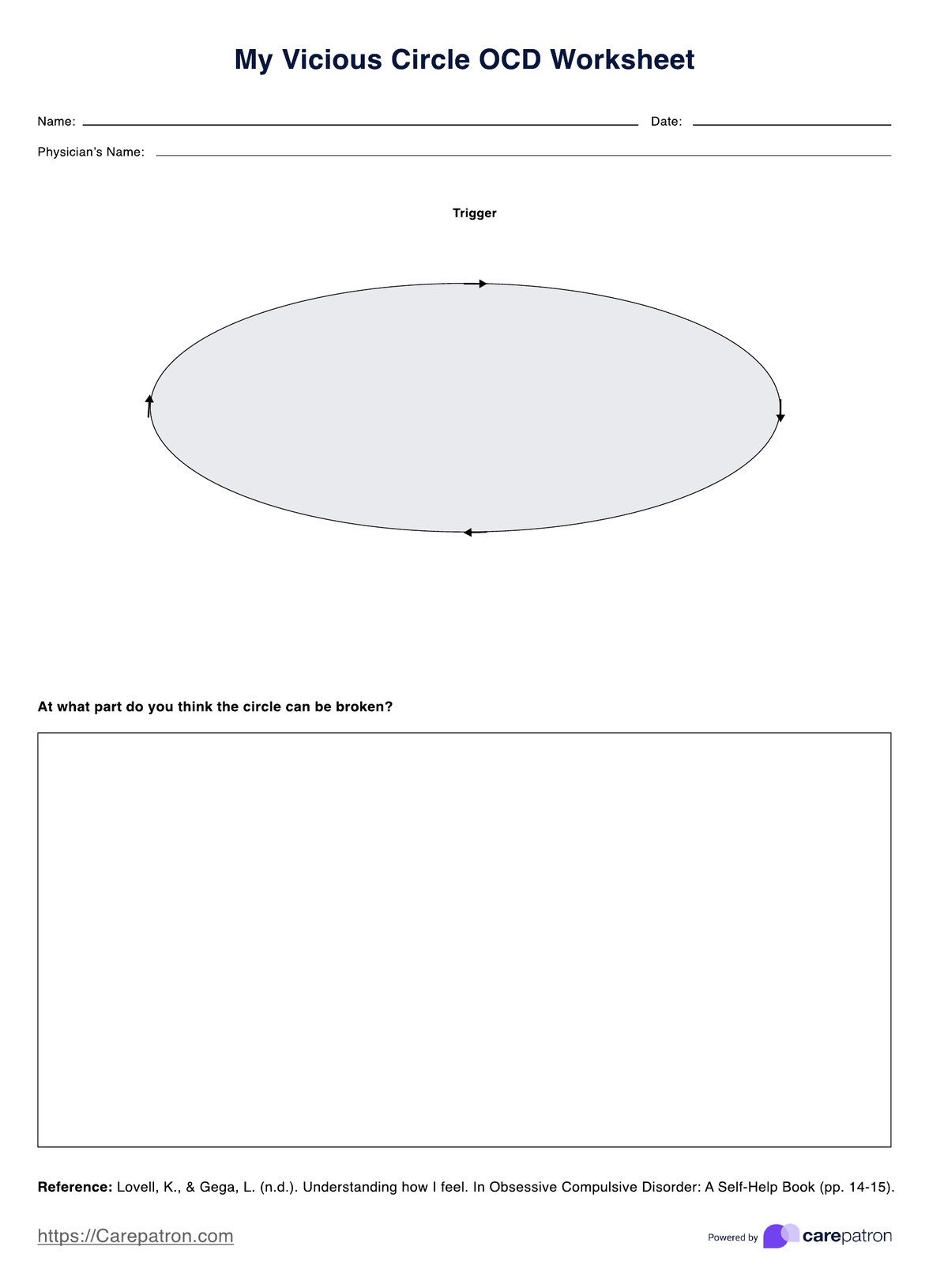




What is Obsessive-Compulsive Disorder?
A mental health disorder wherein a person experiences intense anxiety and distress, causes the patient to have recurring thoughts (obsessions) and participate in repetitive behaviors to alleviate their feelings. Examples of obsessions are fears and taboo words, while excessive handwashing and counting/repeating certain words are examples of compulsions.
Though the specific cause has yet to be discovered, common factors that play a role in increasing the risk of developing OCD are biological/environmental factors and genetic predisposition. That’s why the best way to diagnose OCD is a combination of multiple interviews, observation, and answering questionnaires. Meanwhile, treatment usually combines medication and CBT or Cognitive Behavioral Therapy.
As for CBT, sessions are usually conducted by qualified mental health professionals like therapists, psychiatrists, and psychologists, preferably with a CBT license or certification. During said sessions, clients will be exposed to obsession-triggering situations and thoughts. They will be taught to resist the urge to engage in compulsive behaviors and be provided with better adaptive skills and coping strategies.









