







What is thoracic outlet syndrome?
Thoracic outlet syndrome (TOS) is a condition characterized by the compression of the nerves, arteries, or veins in the passageway from the lower neck to the armpit. This area, known as the thoracic outlet, houses critical structures, including the brachial plexus, which can be affected by this syndrome. When the brachial plexus is compressed, it often leads to symptoms such as arm pain, typical localized paresthesia, and weakness in the upper extremity. Clinical tests like the Eden's Test, Adsons Test, and Wright Test are commonly used to diagnose TOS.
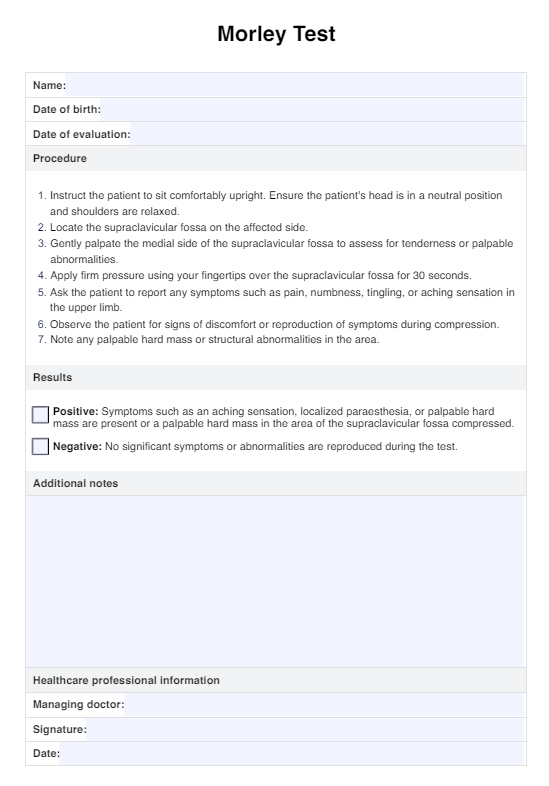
The causes of TOS can range from physical trauma, repetitive movements, anatomical defects, or even a palpable hard mass. The syndrome is often associated with other conditions, such as cervical radiculopathy, where nerve roots in the cervical spine are compressed, leading to similar symptoms. The brachial plexus compression test and Morley's compression test are instrumental in identifying the presence of a true structural lesion that might be causing the symptoms.
TOS can affect the median nerve, ulnar nerve, and ulnar nerves, leading to numbness and tingling in the hands and fingers. These symptoms can sometimes be confused with other conditions, but thorough clinical evaluation and appropriate diagnostic tests help in distinguishing TOS from other potential issues.









