


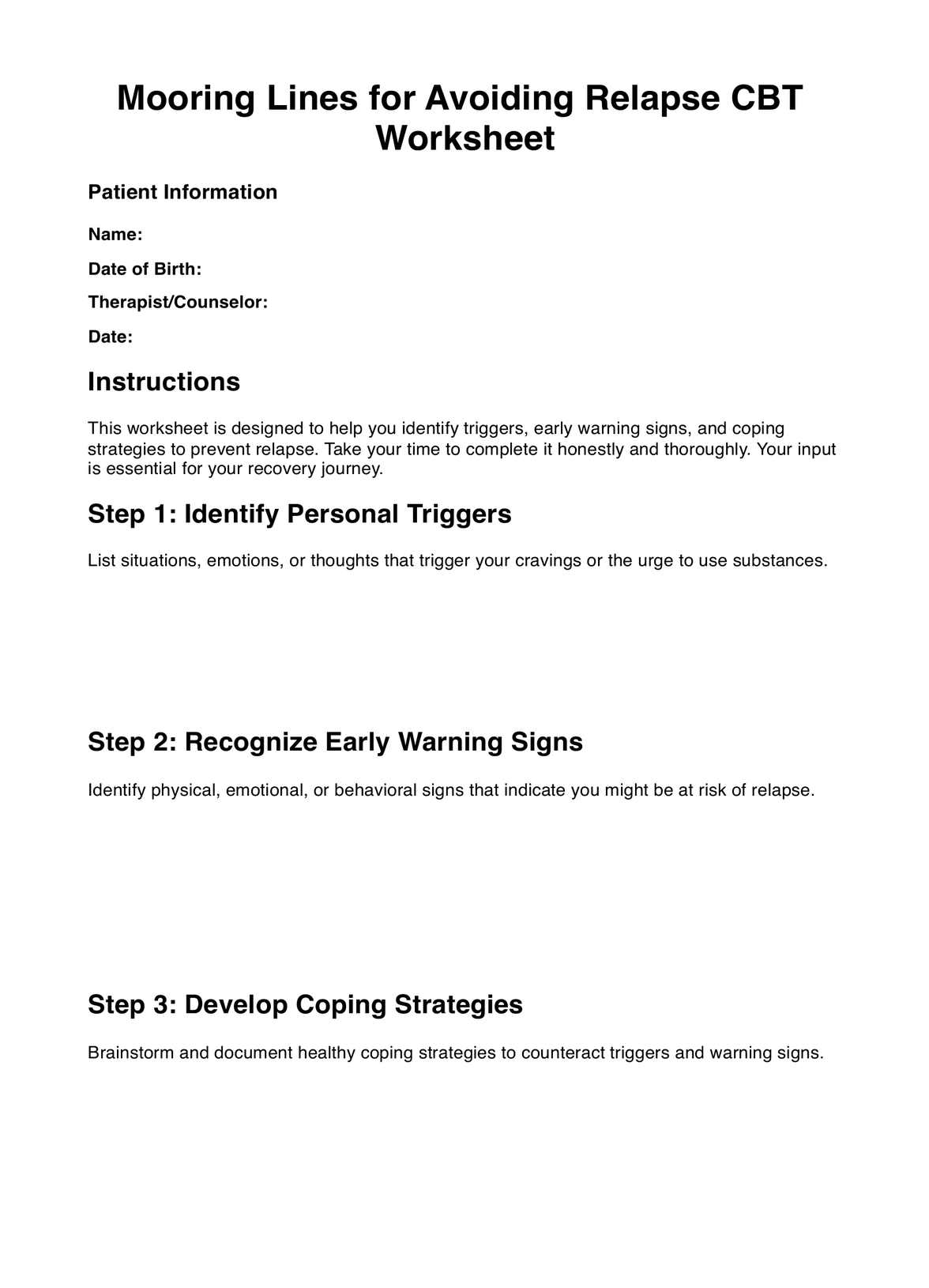




What is Cognitive Behavioral Therapy?
(CBT) is a psychotherapeutic method that helps individuals modify negative thought patterns and behaviors to tackle psychological issues.
In substance abuse treatment, CBT emerges as an invaluable tool. It serves as a guiding light for individuals endeavoring to comprehend the cognitive triggers and emotional responses that underlie their drug or alcohol dependence. By gaining insight into these triggers and acquiring healthier coping mechanisms, individuals can extricate themselves from the relentless grip of addiction. A central tenet of CBT is to assist individuals in recognizing and challenging distorted thought patterns related to substance abuse, ultimately replacing them with more rational and constructive cognitions.
Patients embark on a journey of self-discovery as they become adept at pinpointing the specific situations, emotions, and thoughts that catalyze their substance use. This newfound self-awareness equips them to anticipate and effectively manage these triggers.
CBT furnishes individuals with an arsenal of coping strategies to confront and conquer cravings and urges to use substances. These strategies may encompass relaxation techniques, problem-solving skills, and healthy stress management tactics.
This type of therapy also encourages individuals to confront and recalibrate distorted beliefs surrounding substance use, including the fallacy that drugs or alcohol are the sole means of coping with life's challenges.
Patients collaborate on formulating a robust relapse prevention plan. This blueprint equips them with the necessary tools and skills to uphold sobriety in the face of potential setbacks. CBT imparts indispensable life skills, such as effective communication, conflict resolution, and self-control. These proficiencies are vital in sustaining long-term recovery.









