
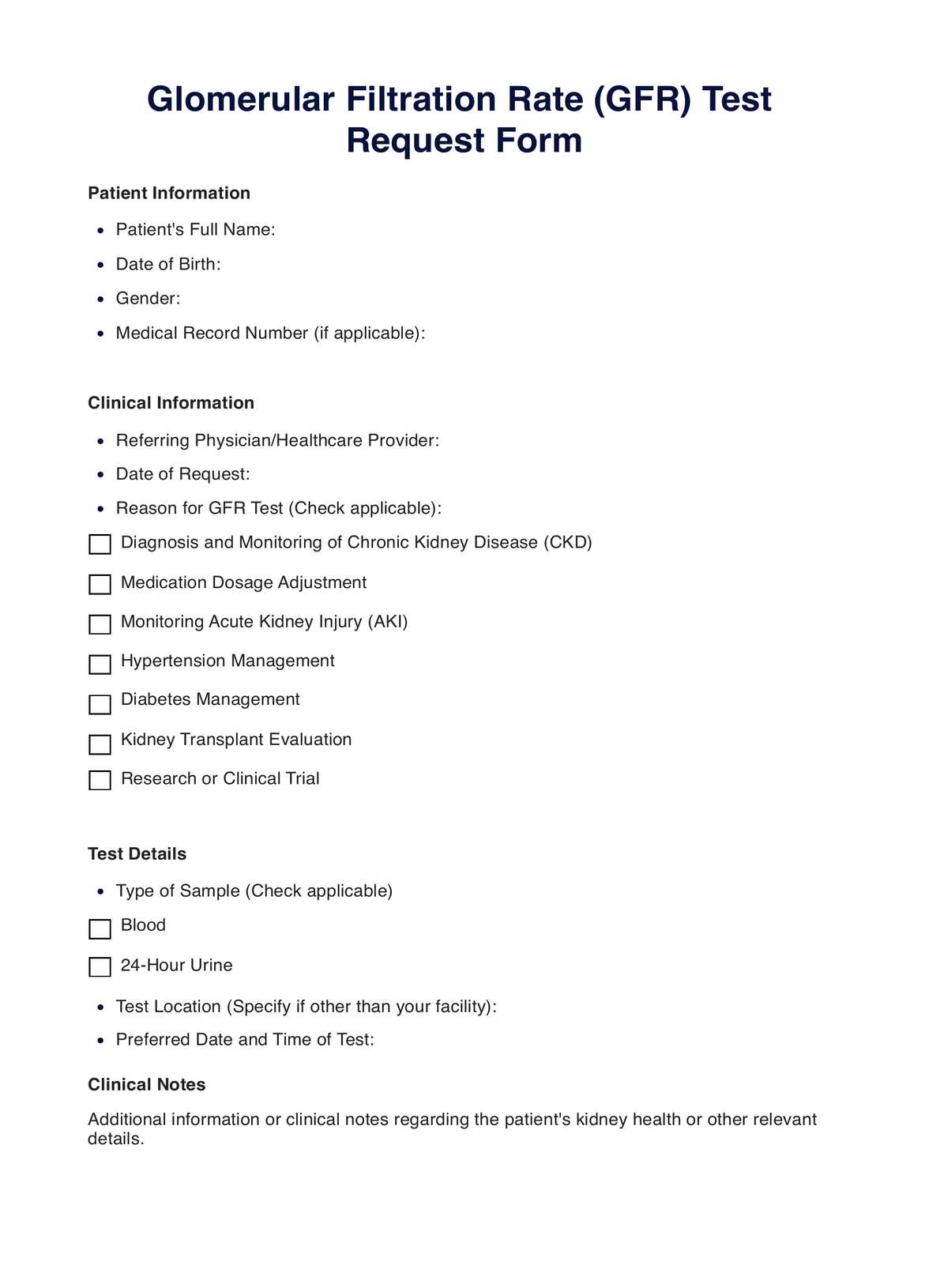




What is a Glomerular Filtration Rate (GFR) Test?
The Glomerular Filtration Rate (GFR) test is a crucial diagnostic tool used in nephrology, which focuses on studying and treating kidney disorders. The GFR test measures the rate at which blood is filtered by the tiny blood vessels within the kidneys called glomeruli. These filtration units are pivotal in removing waste products and excess substances from the bloodstream, maintaining proper fluid and electrolyte balance, and regulating blood pressure.
The test is vital for assessing kidney function and diagnosing various kidney-related conditions, such as chronic kidney disease (CKD). CKD is a progressive condition characterized by a gradual loss of kidney function, which can ultimately lead to kidney failure if left untreated. Identifying kidney dysfunction is essential for effective management and intervention.
The GFR test is typically performed through a blood sample or by measuring creatinine clearance, a waste product produced by muscle metabolism and eliminated through the kidneys. By analyzing the level of creatinine in the blood or urine and considering factors like age, gender, and body size, healthcare providers can estimate a person's GFR.
The result is expressed in milliliters per minute per 1.73 square meters of body surface area (mL/min/1.73 m²). A normal GFR is usually around 90 mL/min/1.73 m² or higher. A lower GFR suggests impaired kidney function, and the degree of impairment can help classify the chronic kidney disease stage, guiding treatment decisions.









