









What is dependent personality disorder?
Dependence is a natural part of human relationships, but when it becomes excessive, it can lead to dependent personality disorder (DPD). People become dependent due to a combination of genetic, environmental, and psychological factors, including past trauma, chronic illness, or a history of overprotective or authoritarian parenting.
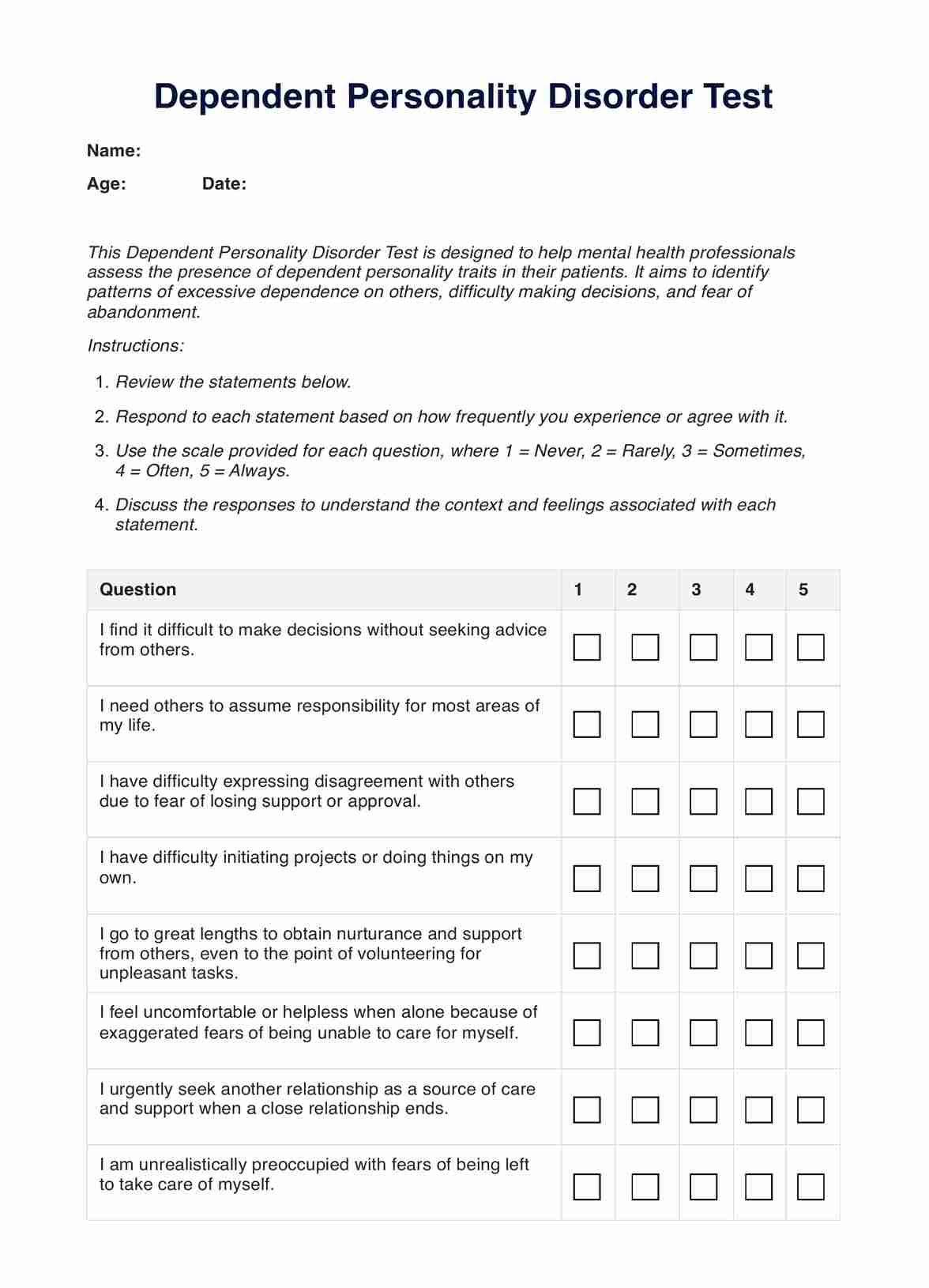
Dependent personality disorder is characterized by an excessive need for support and care from others, leading to submissive and clingy behavior. Individuals with DPD often struggle to make everyday decisions without constant reassurance and guidance from others. They may have difficulty expressing disagreement or asserting themselves due to fear of losing support or approval.
The history of dependent personality disorder research has evolved over time, with the condition being recognized and defined in various editions of the Diagnostic and Statistical Manual of Mental Disorders (DSM). The disorder has been studied in relation to other personality disorders, attachment styles, and its impact on personal and professional relationships.









