





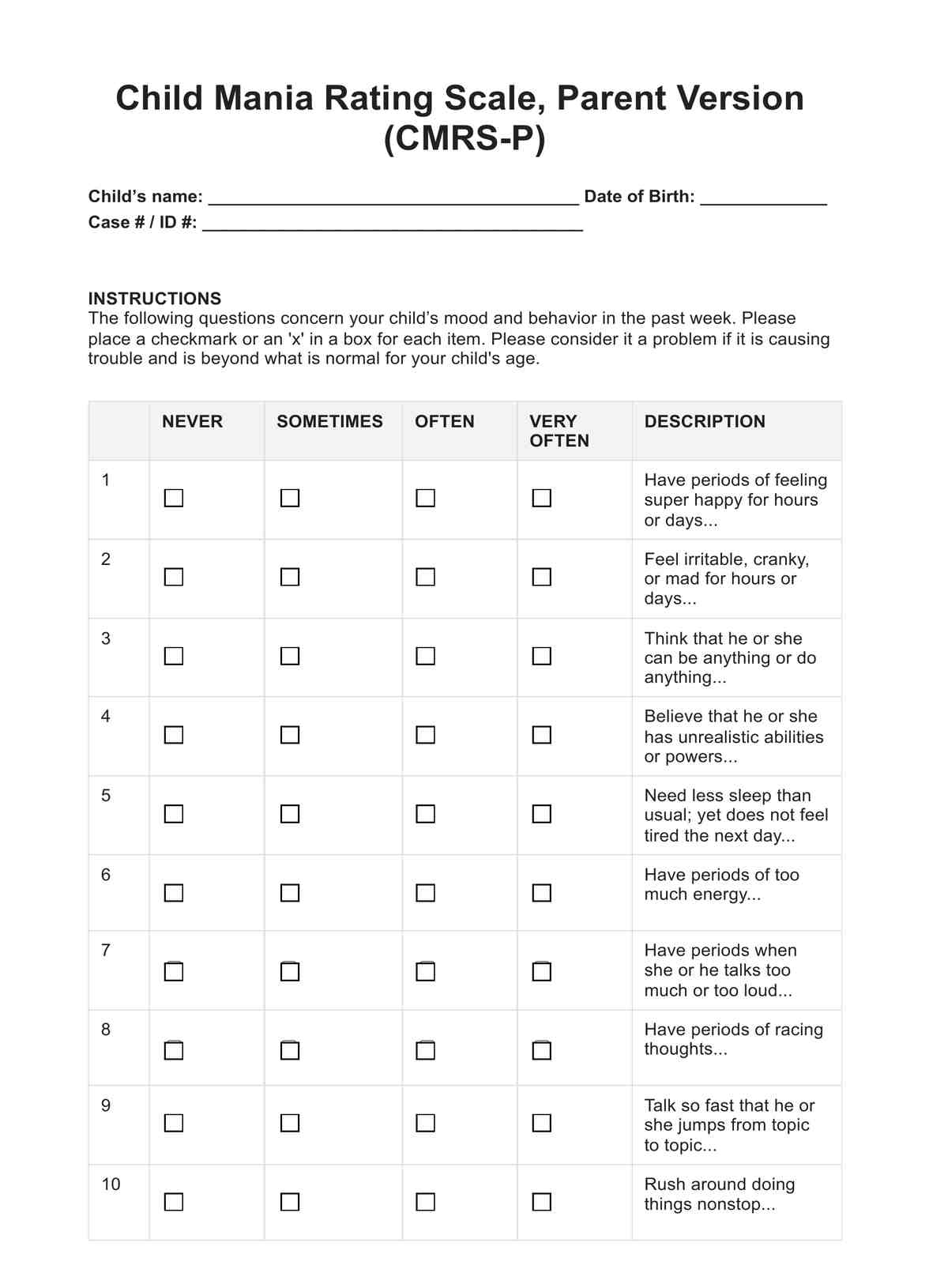




What is mania?
Mania is an intense psychological state characterized by elevated mood, high energy levels, and often a lack of judgment or self-control. This complex condition is significant when manifesting in children and presents unique challenges.
In the context of a child, mania might be reflected in symptoms such as:
- Hyperactivity: An uncontrolled and excessive energy that can lead to restlessness and difficulty focusing on tasks.
- Impulsiveness: Acting without thinking may result in reckless behavior or decisions.
- Aggressive Behavior: Increased irritability might lead to anger outbursts and physical aggression towards others.
- Reduced Need for Sleep: An affected child may need less sleep yet not feel tired, leading to late-night activities and insomnia.
- Delusions or Hallucinations: In severe cases, a child may have strong, false beliefs or see and hear things that aren't there.
Understanding and recognizing child mania is vital, as it can profoundly affect a child's social relationships, academic performance, and overall development. Early diagnosis and intervention can prevent potential long-term negative consequences.
The underlying causes of childhood mania can vary, with Bipolar Disorder being a common diagnosis. It's crucial to note that mania in children may not always be present in the same way as in adults. Treatment often involves a multifaceted approach, including therapy sessions, medication, and ongoing support from mental health professionals tailored to the child's specific needs and symptoms.
For more comprehensive insights into child mania, please visit Carepatron’s resource and watch this explainer video below.









