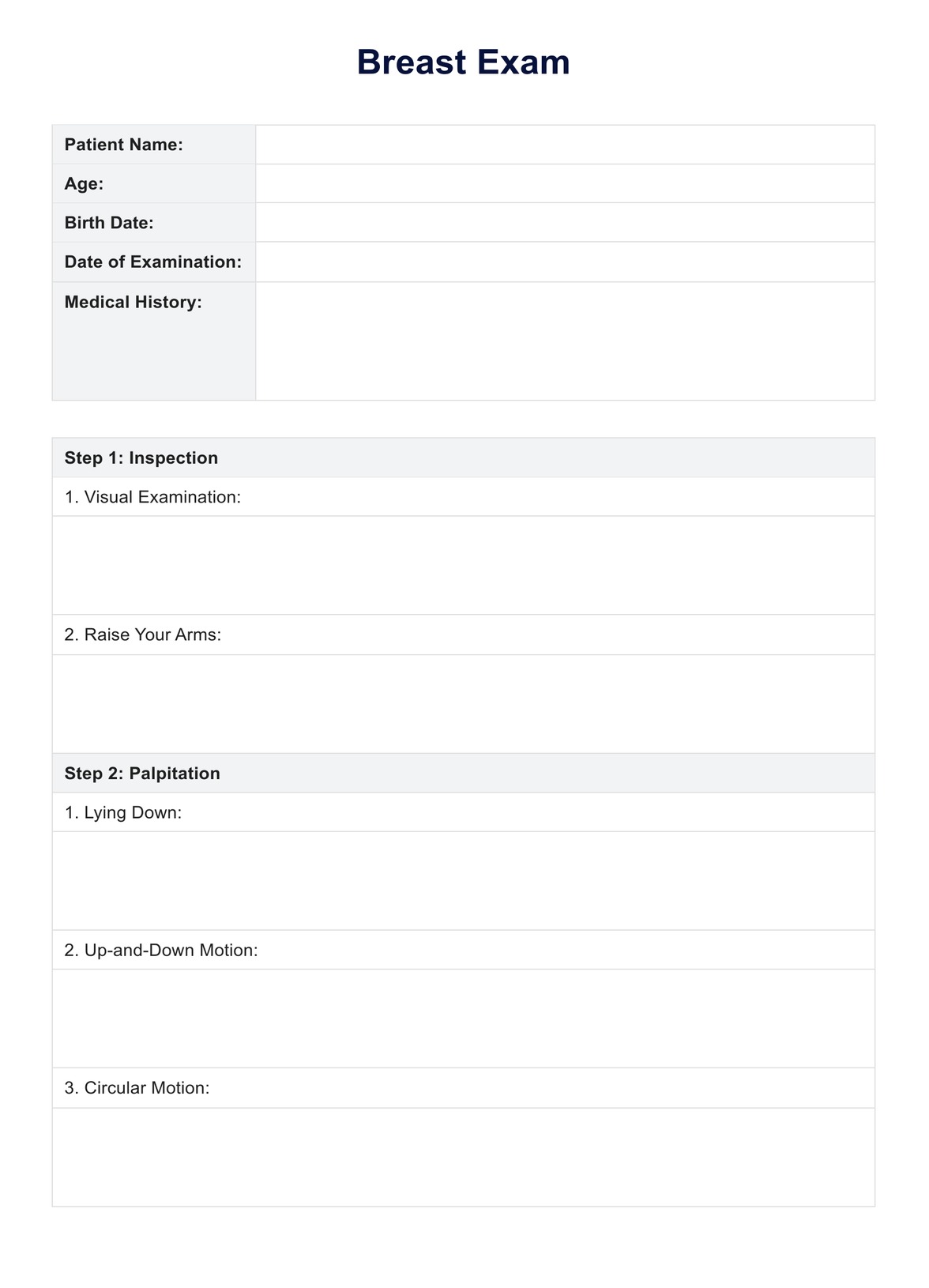
When should a patient get a breast examination?
Understanding when to schedule a breast examination is crucial for proactive breast condition. Here are vital instances when patients should prioritize getting a breast self-exam:
1. Routine self-exams
Timing: Monthly
Why: Perform routine self-exams monthly, ideally a few days after your menstrual cycle. This consistent practice enhances self-awareness, enabling the early detection of changes in the entire breast.
2. Clinical breast exams
Timing: As recommended by your healthcare provider during routine check-ups
Why: Healthcare professionals are equipped to conduct more in-depth clinical breast examinations, evaluate breast disease, and detect subtle changes that might go unnoticed during self-exams.
3. Age-related guidelines for mammograms
Timing: As per recommended screening guidelines
Why: Screening mammograms and X-ray examinations of the breast are crucial to finding breast cancer early. Guidelines may vary, but generally, they are recommended every 1-2 years for women aged 40 and older.
4. Post-menopausal women
Timing: Regularly, based on healthcare provider recommendations
Why: After menopause, the risk of breast cancer increases. A regular breast self-exam, including clinical evaluations and mammograms, becomes even more vital.
5. High-risk individuals
Timing: As per the healthcare provider's advice
Why: Individuals with a family history of breast cancer or specific risk factors may need more frequent and specialized screening tests. Consult with a healthcare professional to determine an appropriate screening schedule.
6. Following breast health changes
Timing: Promptly after noticing changes
Why: If you notice any changes in your breasts, such as lumps, skin changes, or nipple discharge, seek a breast examination promptly. Early evaluation is crucial in finding breast cancer at an earlier, more treatable stage.
7. Post-surgery or breast treatment
Timing: As per healthcare provider recommendations
Why: Individuals who have undergone breast surgery or treatment should follow their healthcare provider's advice regarding the frequency and type of breast examinations needed for ongoing monitoring.