Expressive Arts Therapy
Discover how Expressive Arts Therapy, a unique blend of creative arts and psychology, offers individuals transformative healing and personal growth.

Get carepatron free
Commonly asked questions
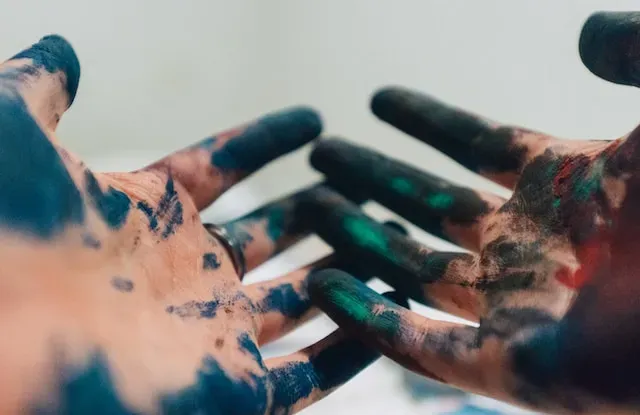
The most effective techniques in Expressive Arts Therapy often include visual art creation (like painting and drawing), music engagement (such as playing instruments or listening to music), dance and movement therapy, drama and role-play, and creative writing and poetry. These techniques cater to different expressive needs and can be adapted based on individual client preferences and therapeutic goals.
Patients can engage in several expressive arts therapy activities almost anywhere, which include journaling or creative writing, sketching or doodling, mindful coloring, creating simple crafts or collages, and practicing movement or dance exercises. These activities are easily accessible and can be a great way to continue therapeutic practices outside formal sessions.
Expressive Arts Therapy is highly suitable for children. It provides a playful, engaging, and non-threatening way for kids to express emotions and work through issues. Activities like drawing, painting, clay modeling, role-playing, and music are efficient with children, helping them express themselves and process their experiences naturally and intuitively.