
¿Qué es la estimulación transmagnética?
La estimulación magnética transcraneal (EMT) es una técnica de estimulación cerebral no invasiva que utiliza una bobina magnética para generar campos electromagnéticos que estimulan las células nerviosas del cerebro. Se usa principalmente como terapia de estimulación cerebral para tratar trastornos de salud mental y afecciones neurológicas mediante la administración de pulsos a regiones específicas del cerebro. Estos pulsos modulan la actividad neuronal, ya sea mejorando o inhibiendo la comunicación entre las neuronas, según la frecuencia e intensidad de la estimulación.
A diferencia de la estimulación del nervio vago (VNS) o la terapia electroconvulsiva (TEC), la EMT no requiere cirugía, anestesia ni la inducción de convulsiones, lo que la convierte en una opción más segura y tolerable para muchos pacientes. La terapia de EMT generalmente se lleva a cabo de forma ambulatoria, con sesiones que duran entre 30 y 60 minutos.
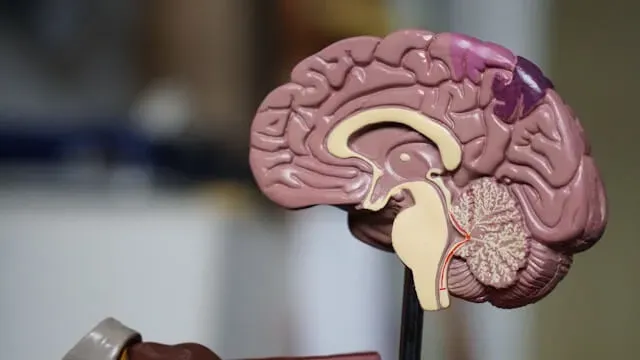
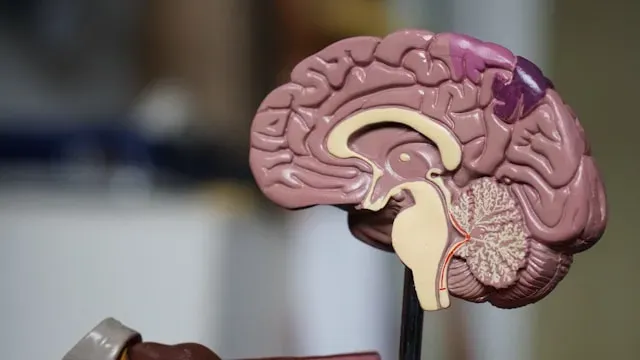
La EMT genera un campo magnético que induce una corriente eléctrica en áreas específicas del cerebro, alterando la actividad neuronal. La estimulación de alta frecuencia mejora la excitabilidad neuronal, mientras que la estimulación de baja frecuencia puede suprimir los circuitos hiperactivos. La bobina de tratamiento con frecuencia se coloca contra el cuero cabelludo sobre la corteza prefrontal dorsolateral (DLPFC) para tratar el trastorno depresivo mayor (TDM) y el trastorno bipolar. Sin embargo, otras regiones del cerebro pueden ser el objetivo de enfermedades como la ansiedad, el dolor crónico y los trastornos del movimiento.