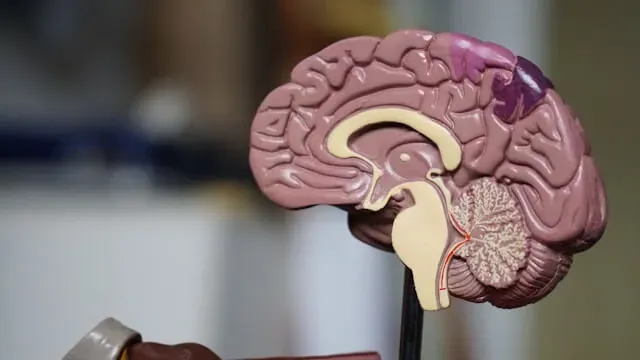
You evaluate the patient’s medical history, treatment response, and risk factors, such as a history of seizures or the presence of metal implants. TMS is typically suitable for individuals with treatment-resistant depression or other mental health conditions who have not responded to conventional therapies.
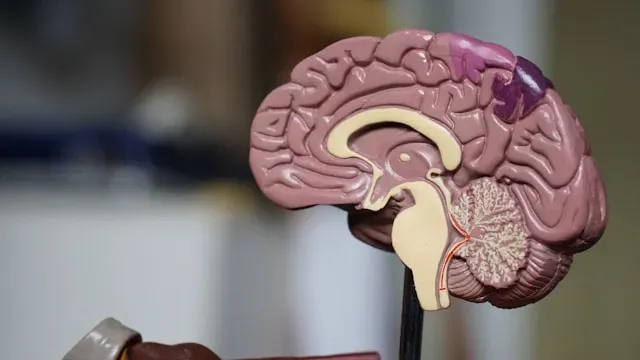
التحفيز المغنطيسي: الاستخدامات والفوائد والمخاطر
تعرف على التحفيز المغناطيسي عبر الجمجمة (TMS) وآليته وتطبيقاته وفوائده والمخاطر المحتملة.

Get carepatron free
Commonly asked questions
You can use TMS to treat depression, particularly major depressive disorder, as well as anxiety disorders, PTSD, obsessive-compulsive disorder, and chronic pain. Some clinicians also apply TMS for smoking cessation and neurological conditions such as migraines.
Unlike electroconvulsive therapy or vagus nerve stimulation, TMS does not require anesthesia, surgery, or seizure induction. It is a noninvasive treatment that you can administer in outpatient settings with minimal side effects and no systemic medication.