


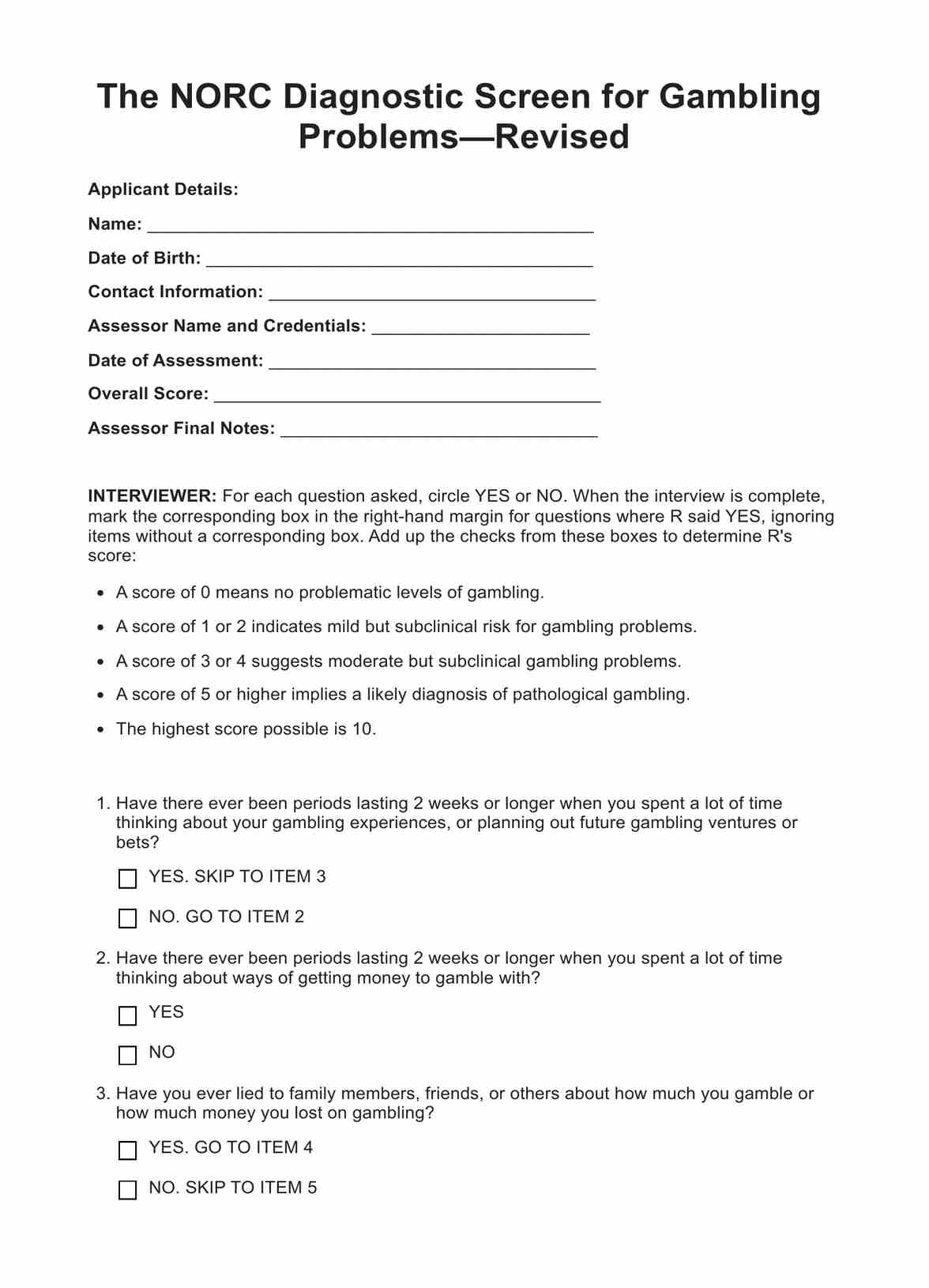




What is a gambling addiction?
Gambling addiction, also called compulsive gambling or gambling disorder, is a complex condition characterized by an insatiable need to gamble, even when faced with negative consequences or a conscious wish to stop. Unlike casual gambling, this addiction is relentless and often intensifies over time. It falls under the category of impulse-control disorders, reflecting the person's loss of control over their gambling behavior.
The addiction transcends mere financial implications. People battling this disorder may continue gambling despite financial ruin, deteriorating relationships, and potential legal troubles. The struggle is not limited to traditional forms of gambling; it also extends to online gambling addiction, making it a pervasive issue in today's digital age.
The impact of is multifaceted, affecting not only the individual but also their families and communities. It's not just about losing money but also trust, stability, and often self-respect. Treatment for this condition typically involves an integrated approach that includes therapy, support groups, and sometimes medication. The road to recovery often demands a profound change in lifestyle and thinking patterns to rebuild a healthy, balanced life.
Recognizing and understanding gambling addiction is the first step toward seeking help and support, enabling recovery and healing.









