








What is Trauma and PTSD?
Trauma is a deeply disturbing or distressing experience that overwhelms a person and consequently affects their coping ability. Traumatic events come in many forms. Some are natural disasters, abuse, violence, accidents, and witnessing other traumatic incidents happen to another person.
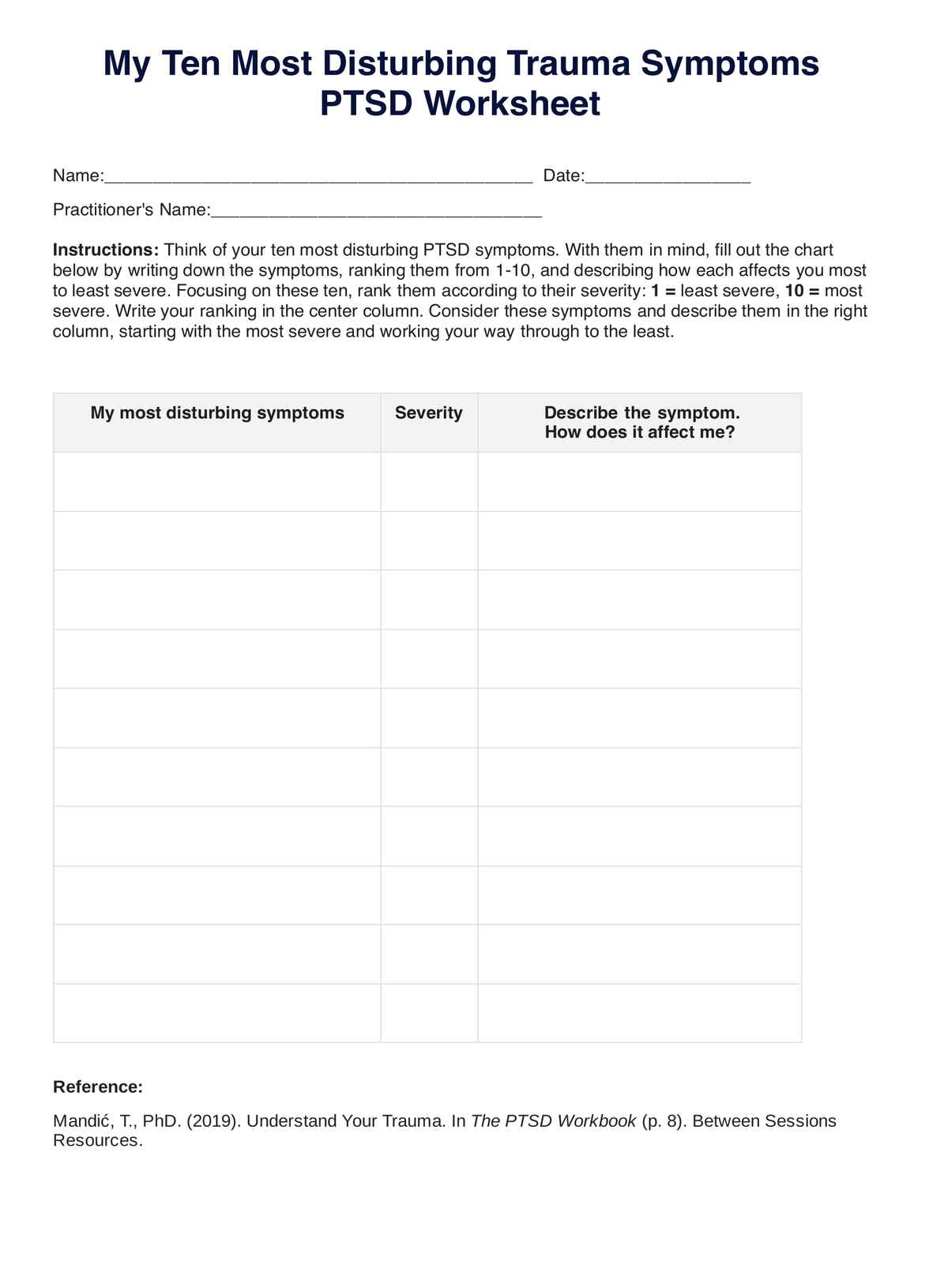
Those who witness or experience a traumatic event can develop Post-Traumatic Stress Disorder or . Common symptoms of a person diagnosed with PTSD are nightmares, avoidance of the situation associated with the event, adverse changes in thinking patterns and mood, hyperarousal or heightened violence, and intrusive memories or flashbacks of the event. These can significantly impact a person’s daily function, extending even beyond the initial trauma.
There are multiple causes of PTSD. They vary from one person to another despite experiencing the same traumatic event. However, those who experience trauma are most likely to develop PTSD if they have a genetic predisposition, have brain chemical imbalances, lack social support, or are previously exposed to traumatic events.
A combination of treatments like Cognitive-behavioral therapy (CBT) or Eye Movement Desensitization and Reprocessing (EMDR) and medication are used to treat PTSD. Both are meant to help the patient process the traumatic experiences, manage symptoms, and develop coping strategies.









