





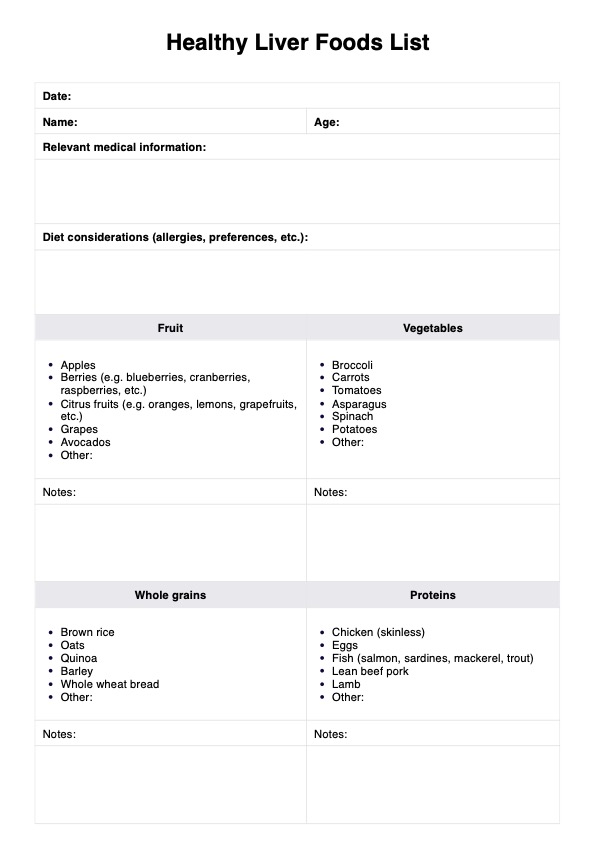




The liver, its role in the body, and liver dysfunction
The liver is a vital organ in the upper right portion of the abdomen. It is the largest internal organ and performs several critical functions for maintaining good health. Liver cells filter blood from the digestive tract before passing it to the rest of the body. It also detoxifies chemicals, metabolizes drugs, and produces essential proteins for blood clotting.
The liver is crucial for digesting food and ridding the body of toxic substances. It processes nutrients absorbed from the digestive tract, converting them into forms the body can use. The liver also stores vitamins and minerals, releases glucose to maintain blood sugar levels, and breaks down old or damaged blood cells.
Liver dysfunction is any condition impairing the liver's ability to function properly. Symptoms of liver damage can vary depending on the underlying cause. Still, they may include jaundice (yellowing of the skin and eyes), abdominal pain and swelling, chronic fatigue, nausea, loss of appetite, and elevated liver enzymes. Liver dysfunction can lead to severe health issues, including liver cirrhosis, liver fibrosis, failure, nonalcoholic fatty liver disease, and an increased risk of liver cancer.
Liver dysfunction can be caused by various factors, including viral infections (such as hepatitis), excessive alcohol consumption leading to alcoholic fatty liver disease, obesity, excessive liver fat, liver injury, and exposure to toxic substances. All these factors contribute to chronic liver disease. Maintaining a healthy liver is essential to prevent these conditions and ensure the proper functioning of the body.









