






What is the female athlete triad?
Physical activity is beneficial for women and girls of all ages. Yet, some female athletes may adopt restrictive eating patterns or overtrain to achieve a specific body weight or lean appearance. Such behaviors can have serious health implications, including irreversible damage and, in severe cases, increased mortality risk. Additionally, they can hinder athletic performance and may even require the athlete to reduce or halt exercise.
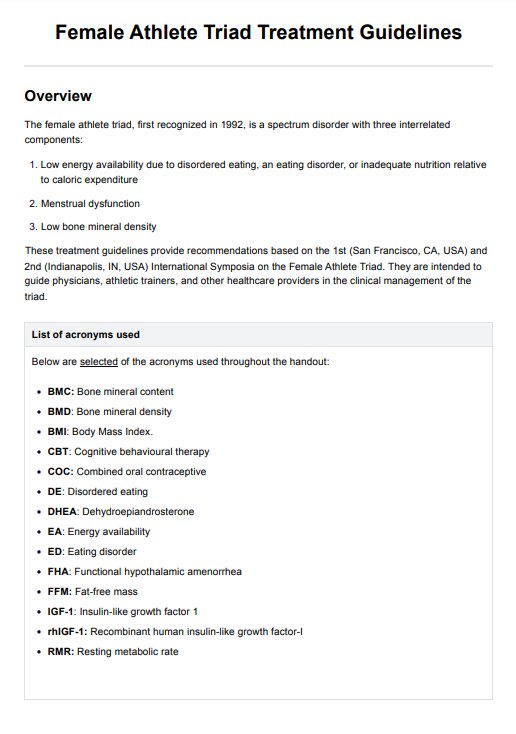
The female athlete triad (triad), first identified in 1992, describes a medical condition of three interrelated health issues that can affect female athletes (De Souza et al., 2014):
- Low energy availability (with or without disordered eating): Low energy availability occurs when an athlete’s energy intake (calories consumed) is insufficient to support the energy expended through physical activity and the body’s basic metabolic functions.
- Menstrual dysfunction: Menstrual dysfunction in female athletes ranges from irregular menstrual cycles (oligomenorrhea) to the complete absence of menstruation (amenorrhea). Low energy availability disrupts the normal production of hormones critical for reproductive health, especially estrogen. As estrogen levels decline, menstrual cycles may become irregular or cease, which can have long-term implications for bone health and cardiovascular health.
- Low bone mineral density (BMD): It is a reduction in the density and strength of bone tissue, increasing the risk of fractures and conditions like osteopenia and osteoporosis. In the female athlete triad, low BMD often results from both inadequate nutrition and reduced estrogen levels due to menstrual dysfunction.
Female athletes frequently exhibit one or more components of the triad, making early intervention crucial to prevent progression to severe outcomes, such as clinical eating disorders, amenorrhea, and osteoporosis.









