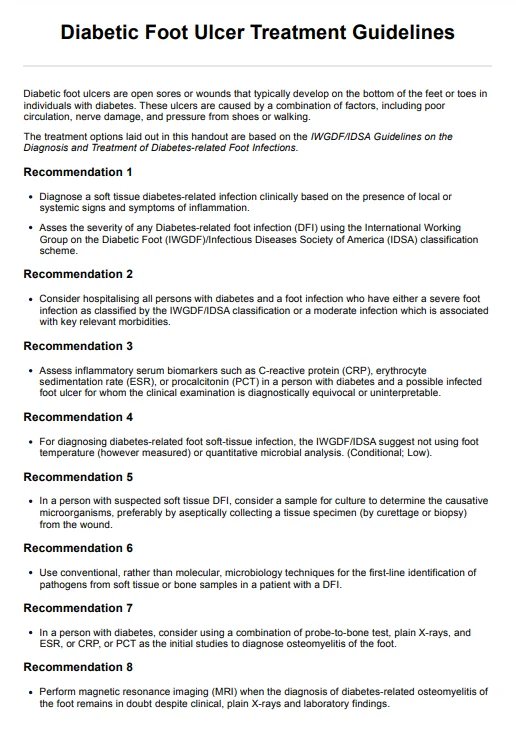
Treatment for diabetic foot ulcers
Treating diabetic foot ulcers requires a multifaceted approach to address the various underlying factors and promote wound healing effectively. Here are the primary treatment methods for wound care and ensuring complete wound healing.
Wound care and dressing
Proper wound dressing is essential for managing diabetic foot ulcers. This involves cleaning the wound, removing dead or infected tissue, and applying appropriate wound dressings to protect the moist wound environment and promote healing. Regular monitoring and changing of dressings are crucial to prevent diabetic foot infections and promote wound healing.
Offloading pressure
Reducing pressure on the foot ulcer is vital for recovery. This can be achieved using special footwear, braces, or orthotic devices that redistribute weight and alleviate stress on the affected area. In some cases, patients may need to use crutches or a wheelchair to keep weight off the ulcer.
Surgical interventions
Surgical treatments may be necessary for severe or non-healing diabetic ulcers. Procedures such as debridement, which involves removing dead or necrotic tissue, can help promote wound healing. Achilles tendon lengthening is another surgical option that can relieve pressure on the foot, aiding in the treatment of diabetic foot complications. In other cases, a vascular surgeon may perform procedures to improve blood flow and enhance healing.
Hyperbaric oxygen therapy
Hyperbaric oxygen therapy involves breathing pure oxygen in a pressurized chamber, which can enhance the body's natural healing processes. This treatment can be particularly effective for infected wounds and diabetic foot infections, as it increases oxygen supply to the damaged tissues and promotes faster recovery.
Growth factors and advanced therapies
Using growth factors and other advanced therapies can accelerate the healing of foot wounds. These treatments stimulate the body's repair mechanisms and can be especially beneficial for chronic or non-healing ulcers. Combining these therapies with other treatment modalities can lead to improved outcomes.
Managing peripheral arterial disease and venous leg ulcers
Peripheral vascular disease and venous leg ulcers are common conditions associated with diabetic foot disorders. Addressing these conditions is crucial for successful foot ulcer treatment. Vascular interventions, medication, and lifestyle modifications can improve blood flow and support overall healing.
Effective treatment of diabetic foot ulcers requires a collaborative effort among healthcare professionals, including foot ulceration surgeons, vascular surgeons, and wound care specialists.