Dry Needling vs Acupuncture
The following differences are notable between dry needling and acupuncture
Origins
Dry needling is a relatively modern technique developed in the West based on a contemporary understanding of neuromuscular dysfunction. It emerged in the 1940s and has evolved with advancements in pain science, intramuscular stimulation, and musculoskeletal medical treatment (Dommerholt, 2011). Acupuncture, on the other hand, is an ancient practice rooted in traditional medicine.
Needle placement
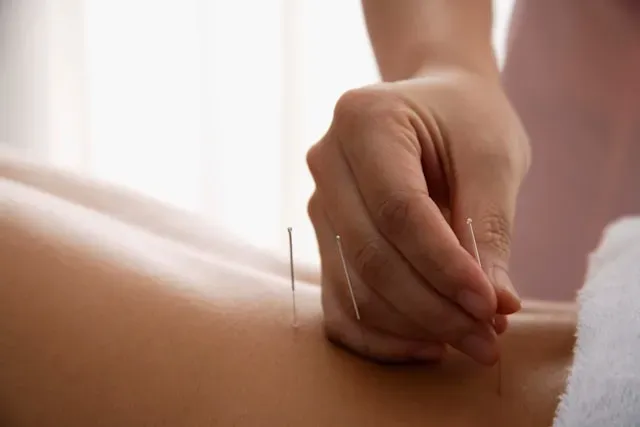
Practitioners perform dry needling to target specific trigger points within muscles. These trigger points are taut bands or knots that can cause pain and dysfunction. The needles are inserted directly into these points, which may or may not correspond to traditional acupuncture points.
On the other hand, acupuncturists insert needles at specific acupuncture points along meridians, which are believed to be energy pathways in the body. This non-trigger points technique helps treat the central nervous system.
Types of needles
Both practices typically use thin, solid, stainless steel needles. However, dry needling may sometimes use slightly thicker needles to better manipulate muscle tissue. Acupuncture needles are generally finer and are often left in place for longer periods.
Number of needles
Dry needling sessions usually involve fewer needles, often focusing on a specific problematic area. The number can vary but typically ranges from 1 to 10 needles. Acupuncture treatments may use more needles, sometimes 10 to 20 or more, as they often simultaneously address and relieve pain in multiple body systems.
Session length
Dry needling sessions are generally shorter, lasting about 10-30 minutes. The needles are manipulated or quickly inserted and removed. Acupuncture sessions are typically longer, ranging from 30 to 60 minutes, with needles remaining in place for most of that time.
Practitioner qualifications
Dry needling can be performed by various healthcare professionals, including physical therapists, chiropractors, and some medical doctors, after completing specific training programs. Acupuncture, being a distinct medical system, requires more extensive training. Practitioners must complete accredited programs and obtain licensing, typically involving 3-4 years of graduate-level study.