The Future of AI in Healthcare: Current Developments and Concerns (2025)

The Future of AI in Healthcare: Current Developments and Concerns (2025)

Wynona Jugueta avatar

By Wynona Jugueta on Feb 17, 2025.

Fact Checked by Gale Alagos.

Get carepatron free

How has artificial intelligence impacted healthcare in recent years?

In recent years, artificial intelligence has made a profound impact on healthcare, and its role continues to grow. You’ll now find AI woven into clinical workflows, electronic health records (EHRs), medical records, medical imaging, and even day-to-day patient care and patient engagement. From machine learning and natural language processing to AI-powered chatbots and advanced image analysis, AI is transforming how healthcare professionals deliver care and how patients experience it.

Health system leaders and clinicians are using AI tools in practice and in clinical trials to refine medical diagnosis, enhance treatment plans, and manage healthcare data more effectively. These advancements aren’t just about efficiency—they’re about helping you provide safer, smarter, and more equitable care.

Looking ahead, the future of AI in healthcare will continue opening doors to new healthcare applications that combine deep medical knowledge with advanced analytics to support clinicians, improve health outcomes, and promote better health outcomes for more patients in everyday life.

Examples of current AI developments

To give you a sense of where AI is making the biggest difference today, here are some key examples of how it’s helping transform healthcare workflows. These innovations are also part of Carepatron’s growing suite of AI capabilities:

Automated documentation and EHR Management

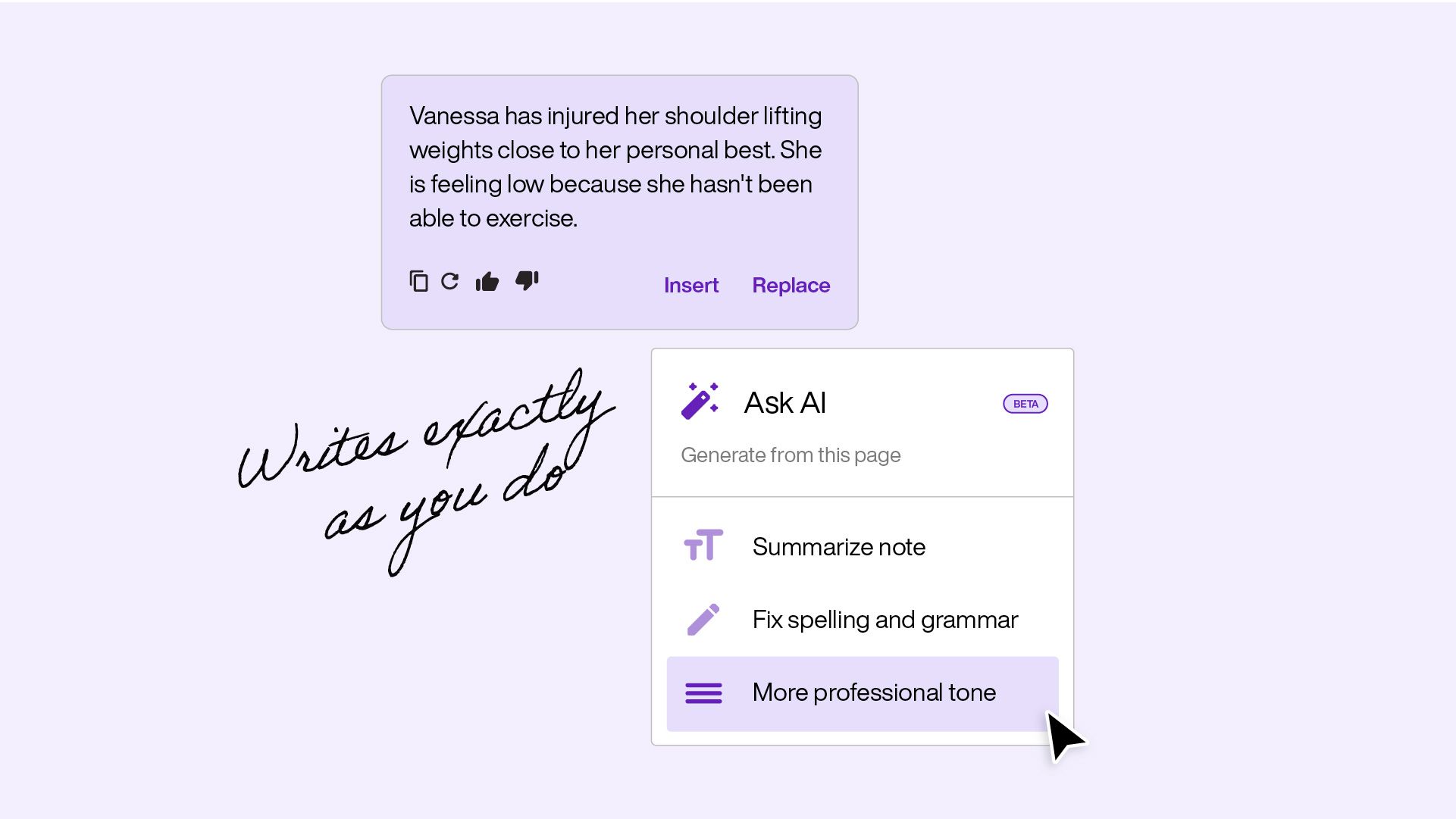
Managing electronic health records (EHRs) can be time-consuming, but AI is changing that. Carepatron’s AI solutions help you simplify EHR management by automatically documenting and updating records in real time. This not only saves valuable time but also supports better patient safety and more accurate care decisions. By easing the documentation burden, we’re helping you focus more on what matters most: your patients.

Enhanced clinical decision support and medical diagnosis

AI is also an invaluable partner in clinical decision-making. Carepatron’s AI systems use the latest medical knowledge to support medical diagnosis and treatment planning. With AI-driven insights, you can make more informed decisions, ensuring that patient care is both safe and effective, while meeting global standards set by organizations such as the World Health Organization and the American Medical Association.

Streamlined patient engagement and workflow automation

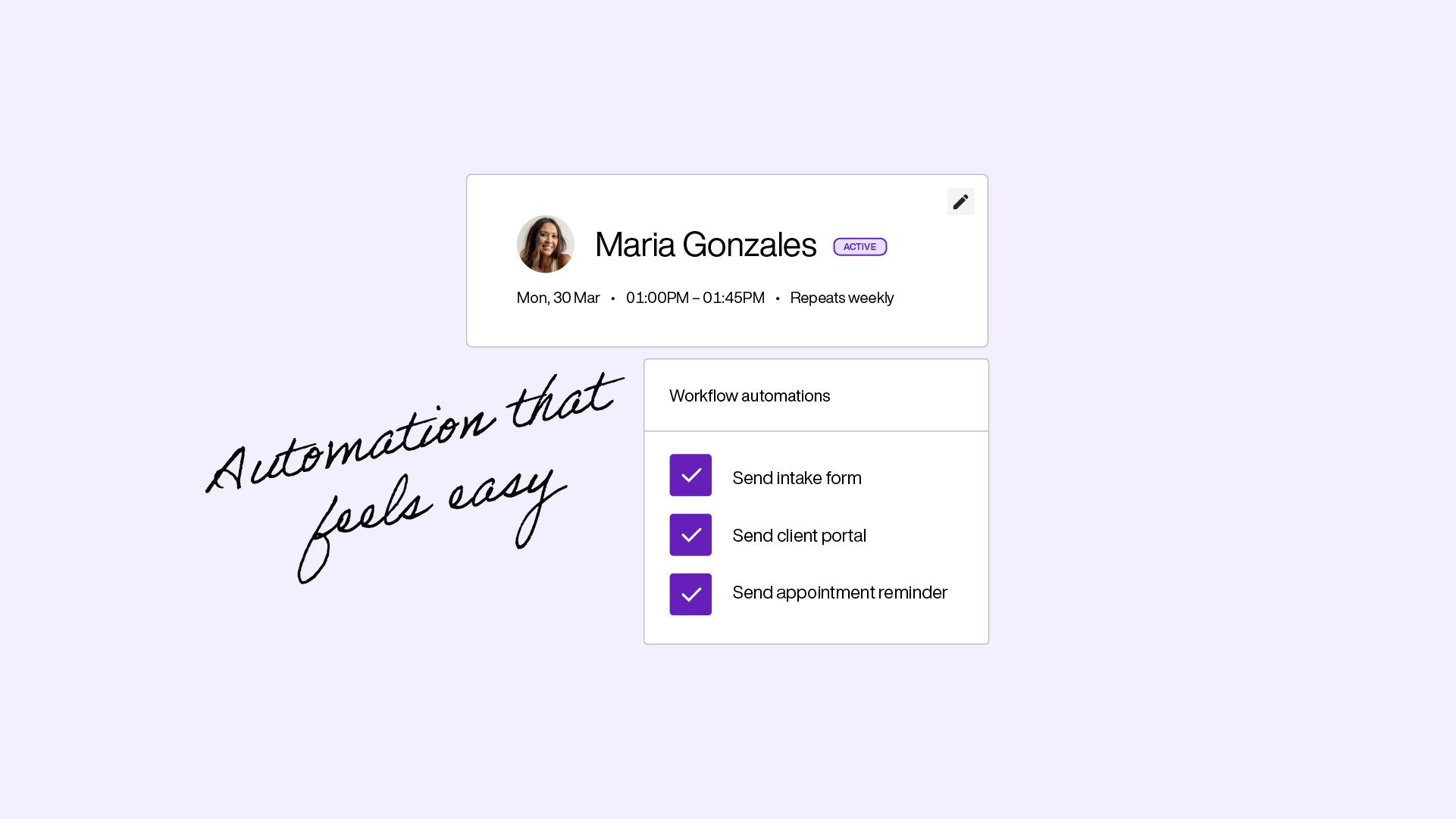
AI can help simplify the patient experience, too. With tools like automated scheduling and streamlined clinical workflows, Carepatron’s AI solutions free up your team from manual administrative tasks. That means more time for personalized, compassionate care—and a more seamless experience for your patients.

The future: end-to-end AI assistants

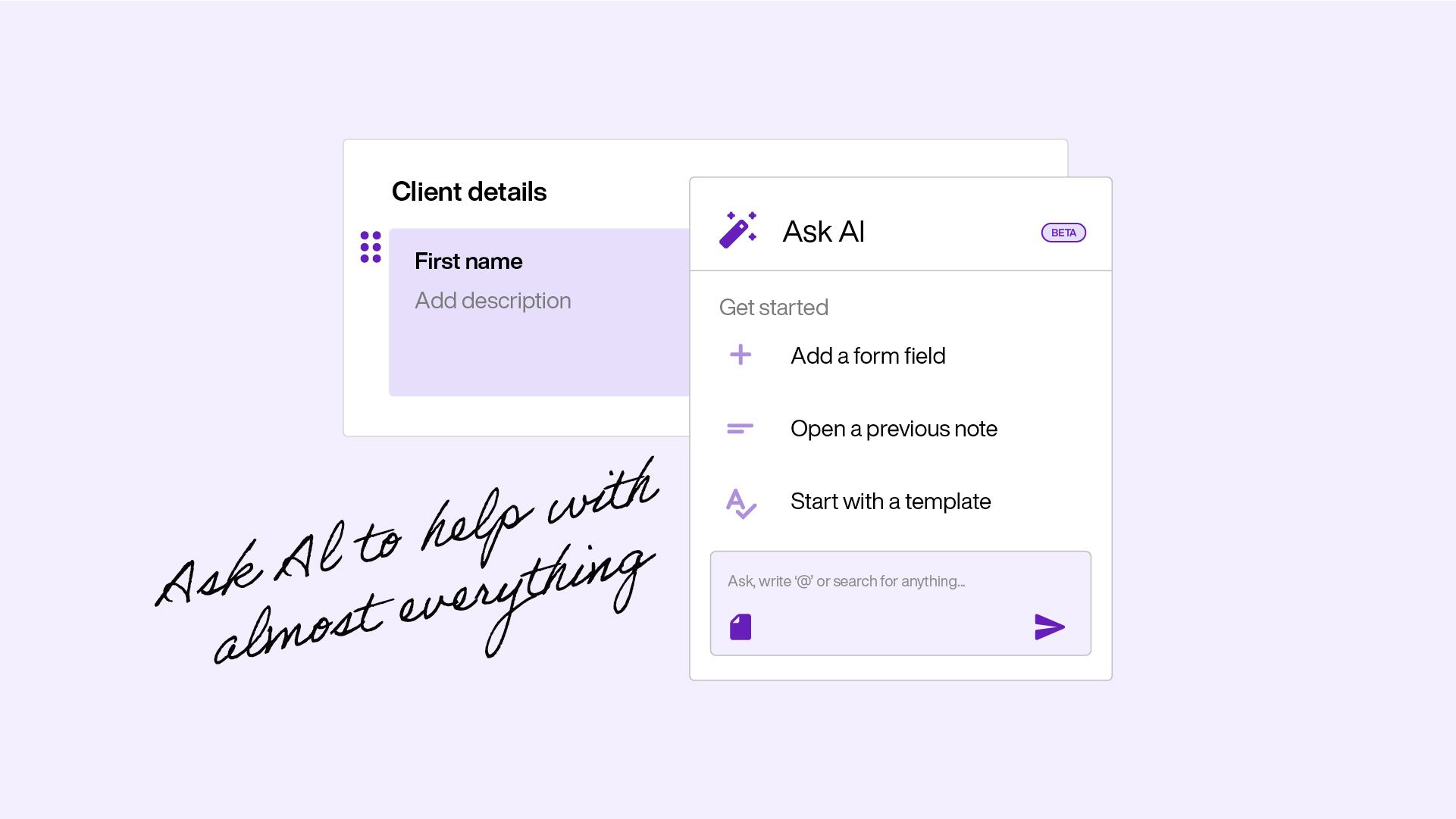
Looking to the future, we envision full-spectrum AI assistants that support every part of the practitioner’s workflow. These assistants will handle everything from EHR management and clinical research to real-time patient communication and diagnostic support. By embracing these comprehensive AI solutions, healthcare providers will be able to deliver more personalized, data-driven care, improving patient outcomes and patient safety for a broader population health.

Current ethical concerns about AI in healthcare and medicine

Of course, with great innovation comes responsibility. As we integrate AI in healthcare, it’s critical to address important ethical considerations, especially when it comes to safeguarding patient trust and promoting health equity.

Here are some of the key concerns we all need to be mindful of:

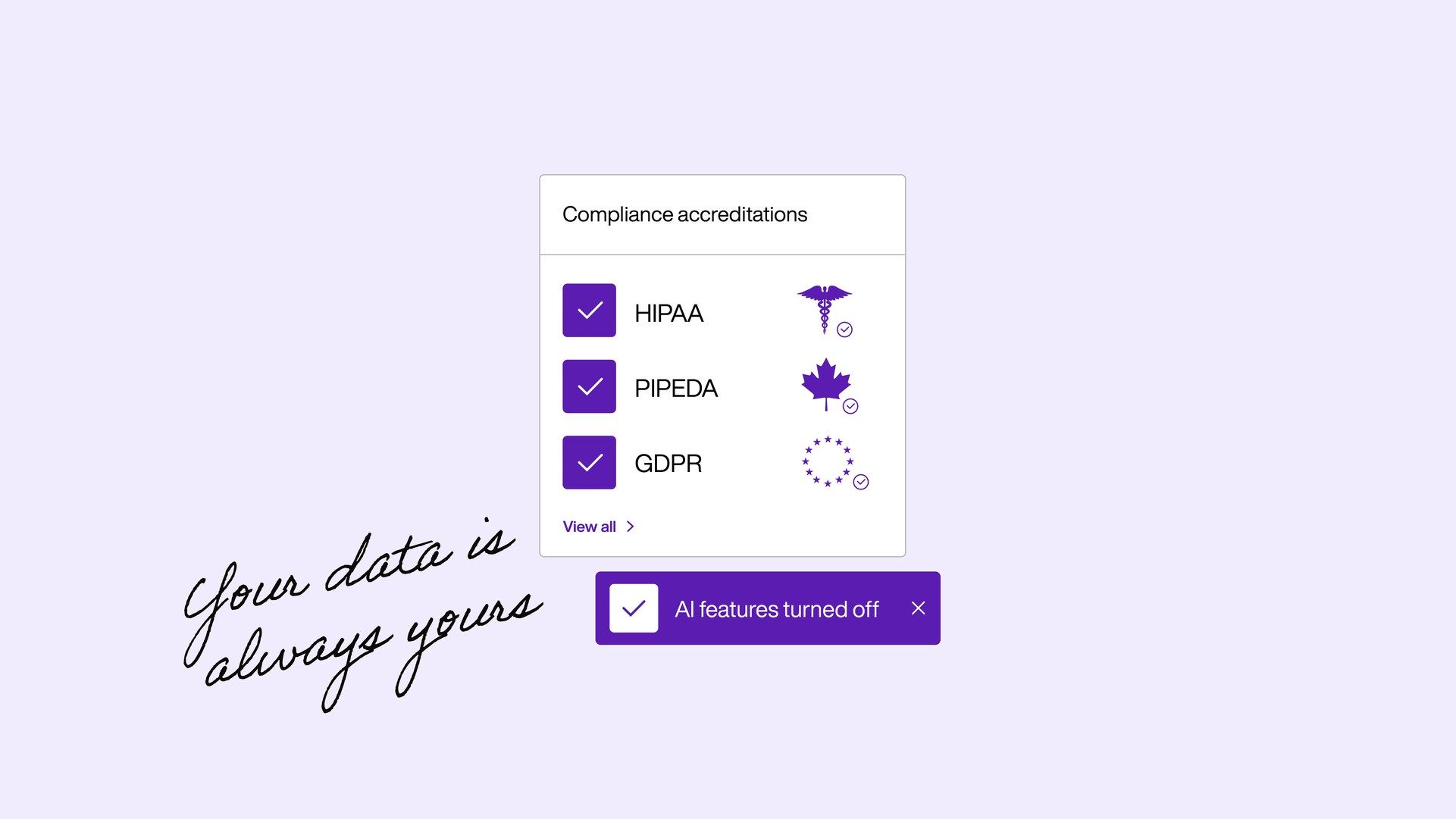
  • Data privacy and security: AI tools must rigorously protect sensitive patient data to maintain privacy and trust.
  • Algorithmic bias and health equity: Biased AI systems can lead to unequal care. It’s essential to ensure that AI tools promote fairness and support diverse patient populations.
  • Transparency and explainability: Clinicians need to understand how AI tools work and how they influence clinical decisions. Clear, interpretable AI models help foster trust.
  • Regulatory oversight and accountability: Strong oversight ensures that AI tools used in healthcare meet rigorous safety and quality standards.
  • Impact on clinical practice: AI must complement, not disrupt, clinical workflows—allowing you to innovate without sacrificing quality of care.
  • Informed consent and autonomy: Patients deserve to know how AI is involved in their care, so they can make informed decisions about their treatment options and data.

How to ethically use AI in healthcare

As you adopt AI in healthcare, here are a few guiding principles to help ensure it’s used ethically and effectively:

Prioritize data privacy and security

AI-powered data management should always uphold the highest standards of privacy and security, especially when it comes to managing electronic health records, patient data, and healthcare data.

Ensure transparency and accountability

Choose AI solutions that provide clear, explainable results. Tools like computer-aided detection and augmented intelligence can enhance clinical insights while helping you maintain full transparency in care decisions.

Embrace inclusive and evidence-based deployment

Use AI to support a wide range of clinical workflows—from primary care to complex interventions—ensuring that all patients benefit equally from advancements in AI in health care. Inclusive, evidence-based practices help foster greater health equity.

Commit to continuous evaluation and ethical oversight

AI isn’t a “set it and forget it” solution. Ongoing evaluation and refinement are key. Regularly assess AI tools to ensure they’re delivering meaningful, safe, and unbiased results. As AI technologies evolve, so should our standards for their use.

Foster collaborative leadership and education

Bringing AI into healthcare is a team effort. Collaboration among clinicians, healthcare leaders, researchers, healthcare organizations, health systems, and medical students is vital to making AI adoption successful and ethical. Sharing knowledge and learning together will help us all deliver better outcomes—and build a future where AI works hand-in-hand with human expertise.

Key takeaways

AI is helping transform healthcare—empowering clinicians to improve clinical workflows, enhance data management, and deliver even better patient care. By integrating advanced AI systems with EHRs and clinical documentation, healthcare professionals can support greater health equity, foster more efficient care, and drive transformative improvements across the healthcare landscape.

But with this transformation comes responsibility. As we continue to innovate, it’s critical that we uphold ethical standards, foster collaboration, and keep patients at the heart of everything we do.

When used thoughtfully and transparently, AI can be a powerful force for good in healthcare, helping you provide smarter, safer, and more compassionate care today and in the near future. What once seemed like science fiction is now delivering potential benefits across many aspects of healthcare, from managing chronic conditions and preventing heart attacks to aiding in drug discovery, developing new drugs, and supporting robotic surgery and virtual assistants—ultimately enabling better tools, better outcomes, and a brighter future for AI in healthcare.